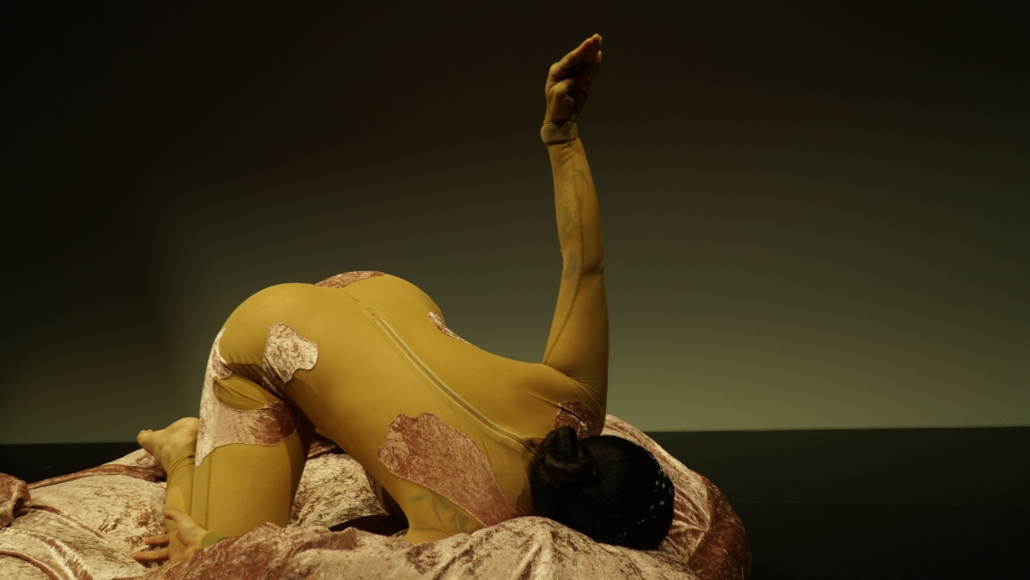
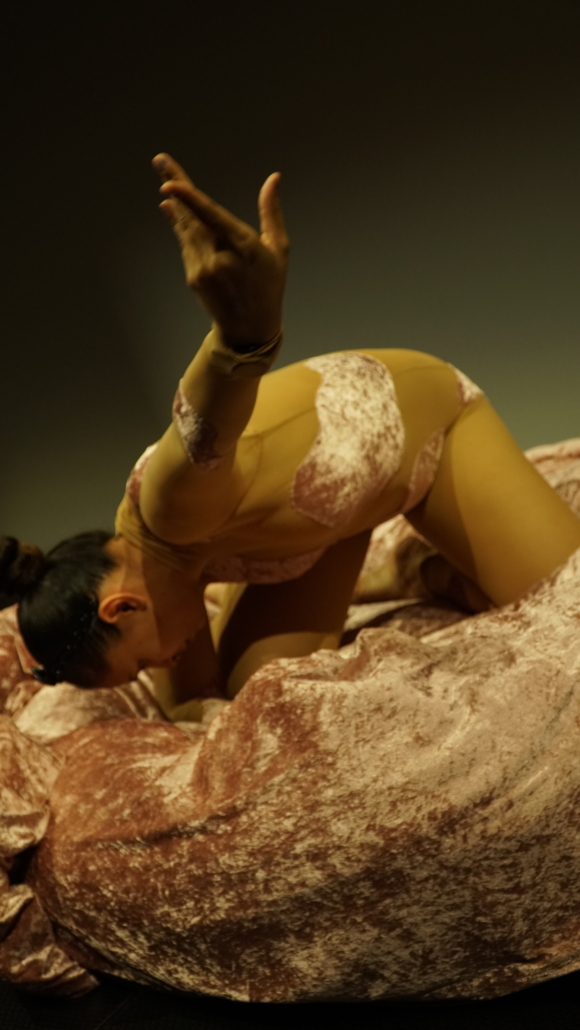
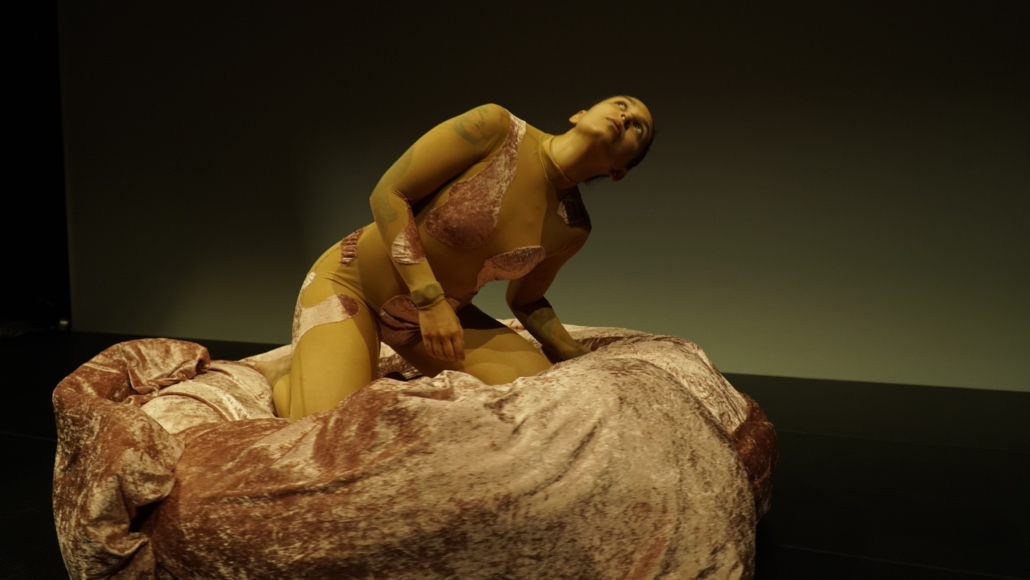
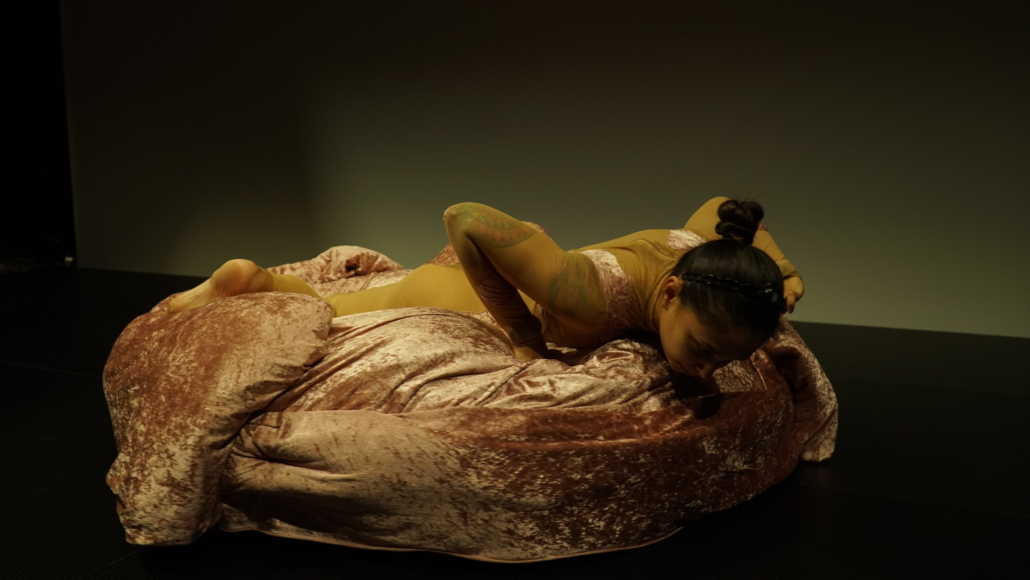
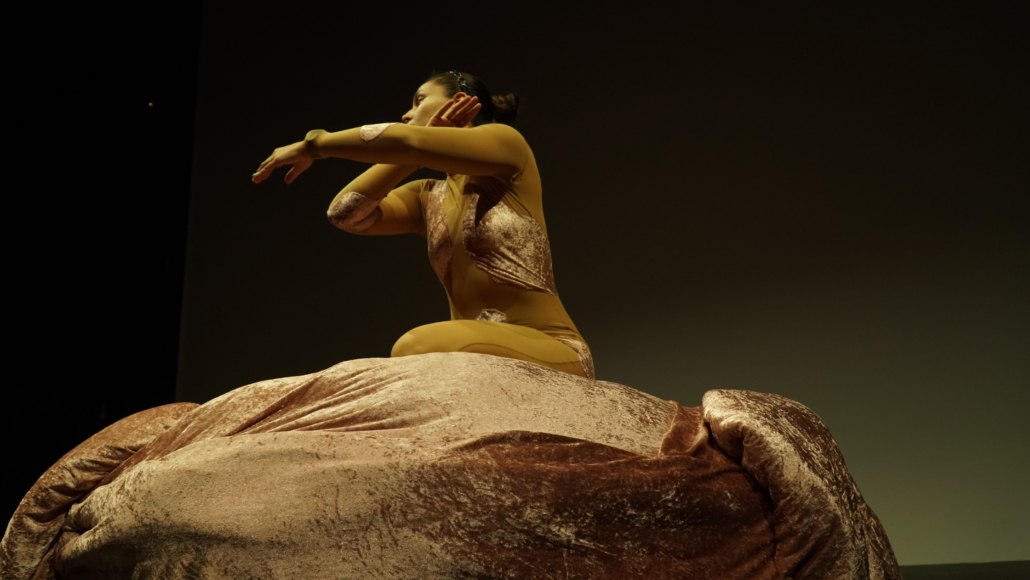
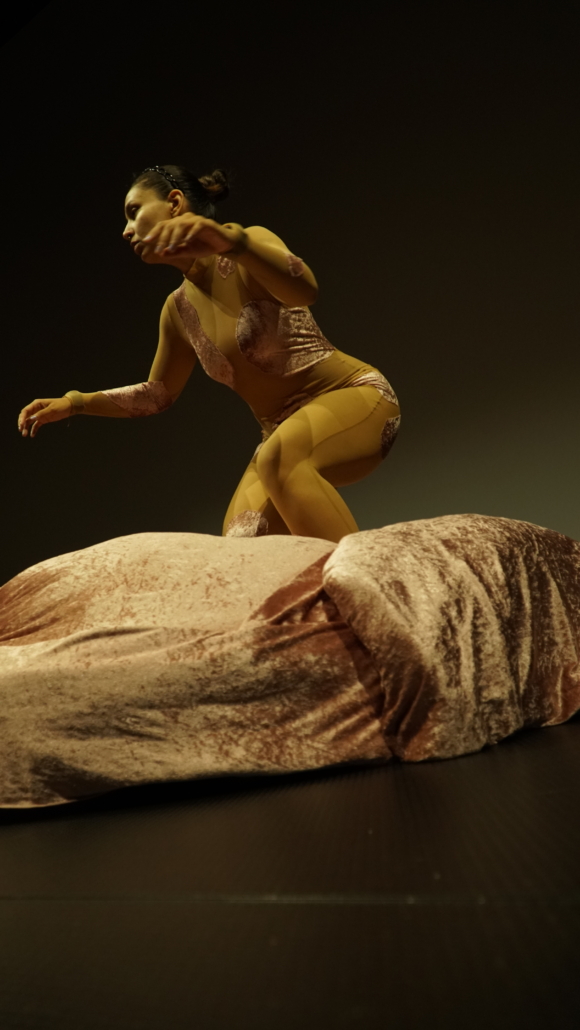
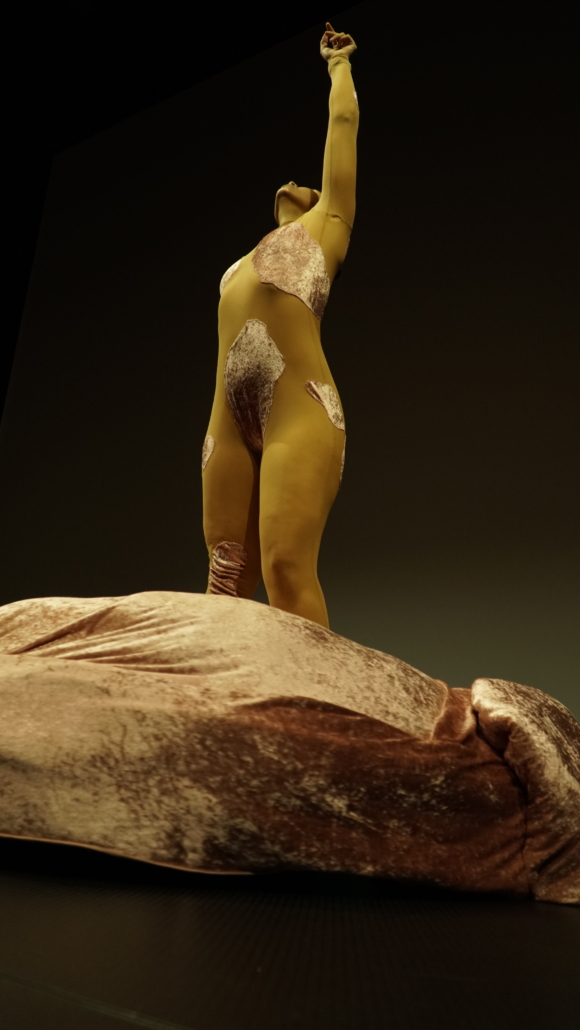
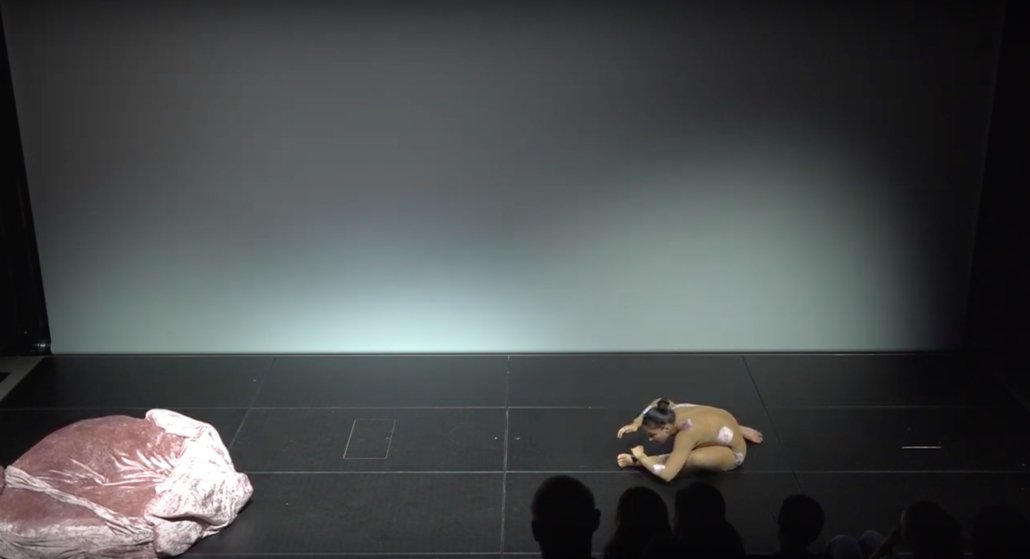
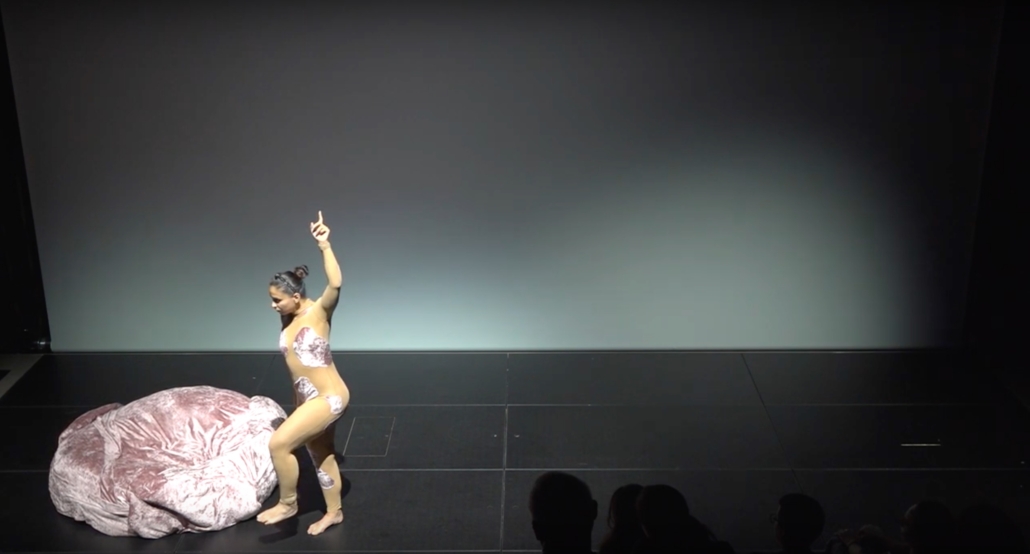
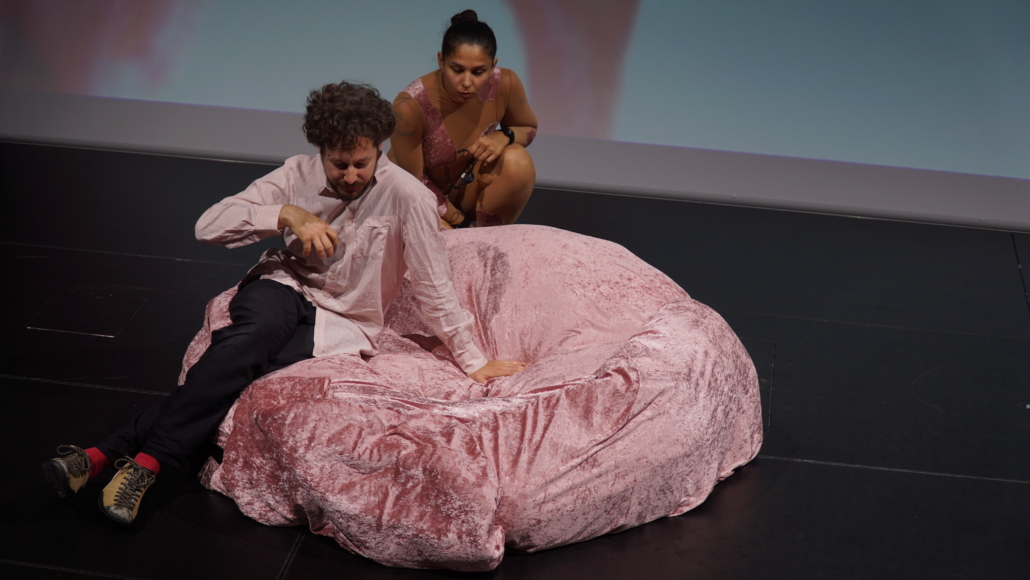
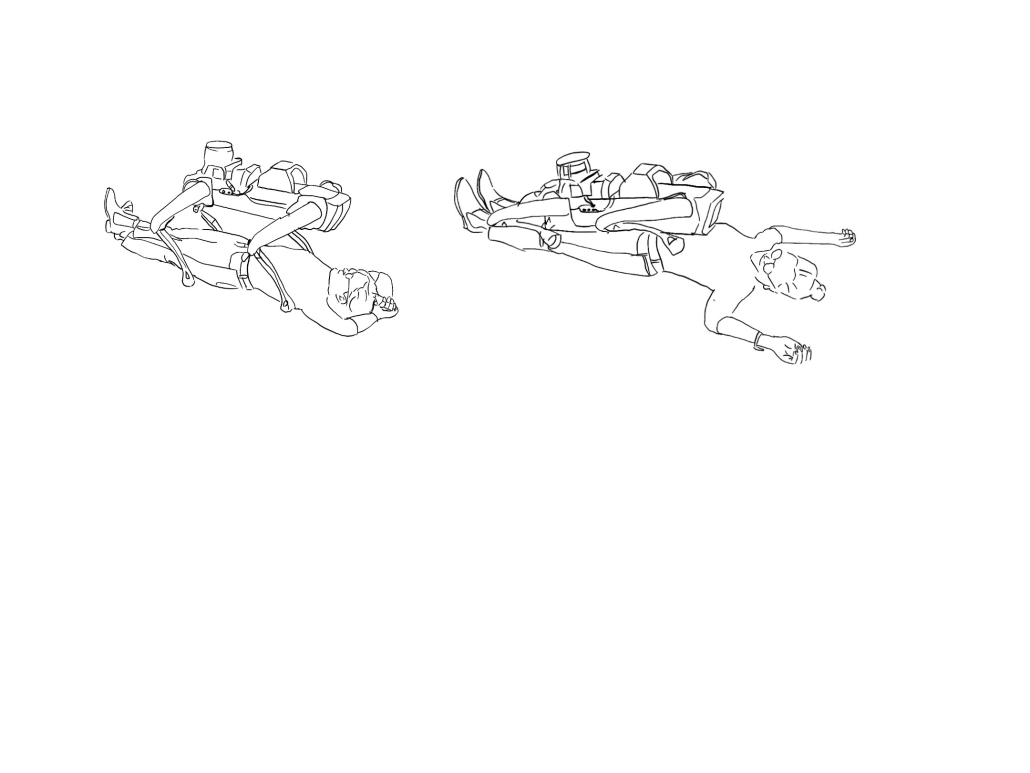
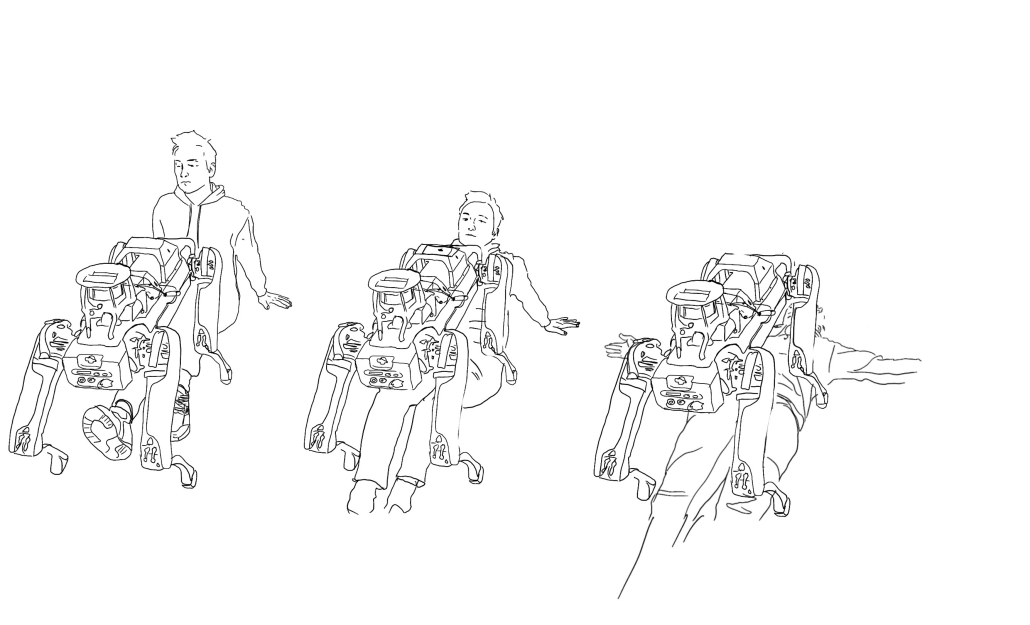
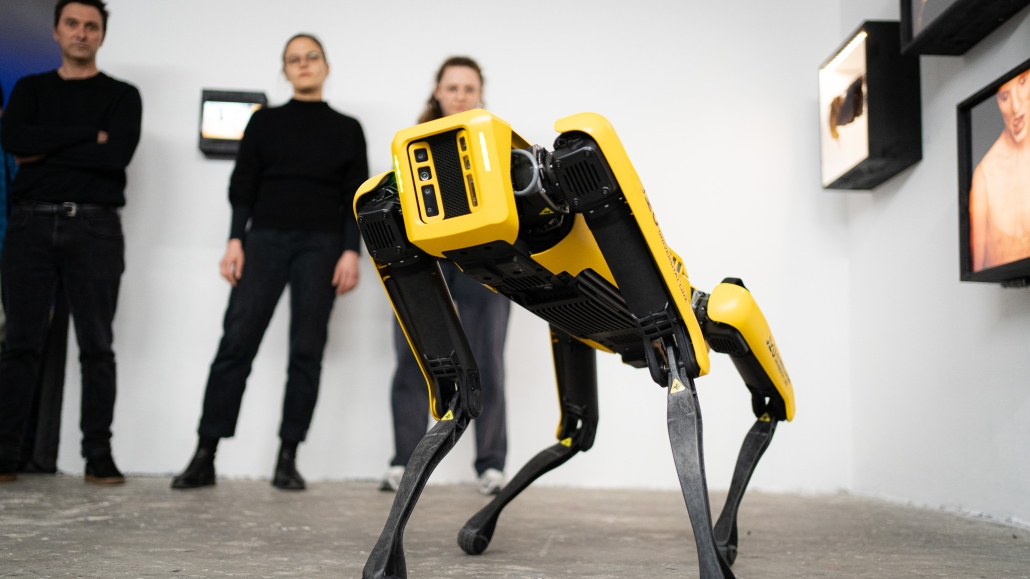
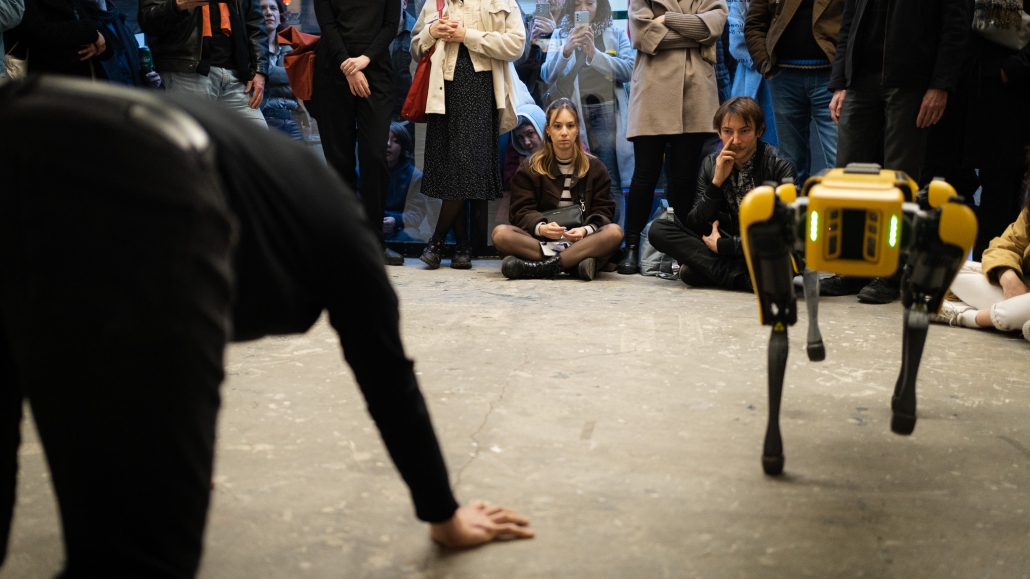
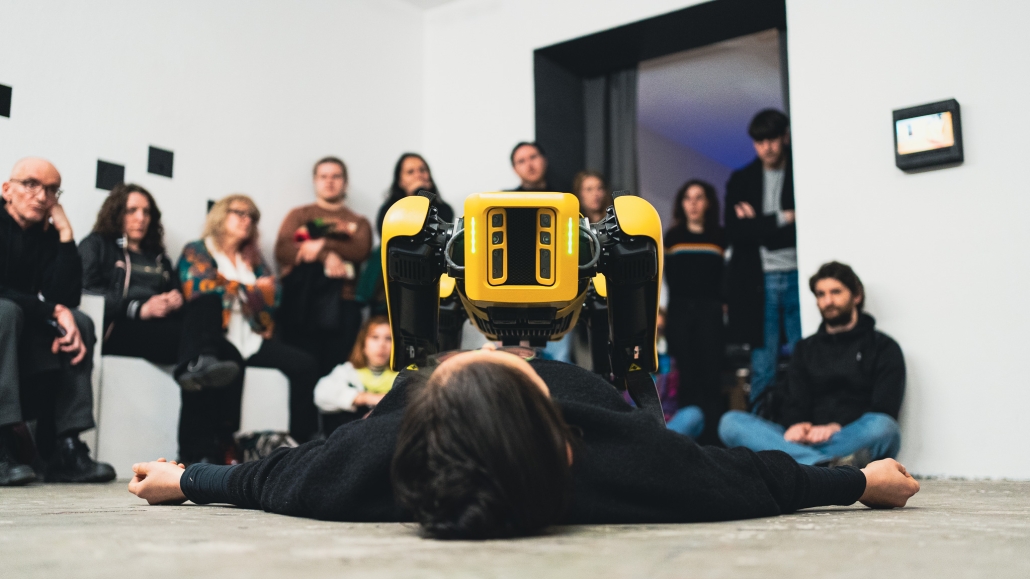
Artistic Impression of DIGI-SENSE by Daniela Brill Estrada

Digital Sensemaking (DIGI-SENSE): Constructive capacity building for co-creative transformation change

The project focuses on sensemaking in digitalization processes, especially in the interaction with digital twins and robotics. Artistic engagement – with a specific focus on dance and performance – is central to the research method to gain insights into the embodiment and relevance of aesthetic/sensory knowledge in sensemaking processes. Thereby the team aims at advancing understanding of the mechanisms underlying artful articulation and sensemaking in digital transformation projects by examining the socio-technical design and development process through the lens of digital twins (DT). Moreover, a special focus will be on researching aesthetics, aesthetic experiences and embodied knowledge in relation to sensemaking processes.

This project is a Seed Project at the Linz Institute of Technology, which is realized at the Institute of Communications Engineering, part of the Linz Business School at the Johannes Kepler University Linz.

Back to Projects.

Daniela Brill has a Master’s degree in Art & Science from the University of Applied ArtsVienna. Daniela’s artistic and theoretical work focuses on the idea of in-disciplinarity and the wish to eliminate certain frontiers and boundaries aiming to find a space of queerness at many levels for creative processes and for the formation of new knowledge, researching mainly the areas of aesthetics and complexity. Daniela works in collaboration with scientific institutions and networks such as Art at CMS at CERN, the ORIGIN network of high energy physics, and with artistic institutions such as the ArtSci Center + Lab UCLA. Brill is the creator and co-organizer of Suratómica, a collaborative network of Art and Science based in Bogotá, Colombia.

Claudia Schnugg is Principal Investigator of the Digital Sensemaking (DIGI-SENSE) project at the Johannes Kepler University Linz, which will be realized at the Communications Engineering Institute. She holds a PhD in social and economic sciences with an additional focus on cultural sciences. Her research focuses on art, aesthetics and artistic initiatives in interdisciplinary and social settings, such as change processes, digitalization and knowledge management, and explores implications and organization of art-science collaboration. As curator and consultant she is working internationally with industrial, scientific and artistic organizations to realize art-sci-tech projects.

Christian Stary received his Diploma degree in computer science from the Vienna University of Technology, Austria, in 1984, his Ph.D. degree in usability engineering, and also his Habilitation degree from the Vienna University of Technology, Austria, in 1988 and 1993. He had visiting professorships in USA and several European countries. He is full Professor of Business Information Systems with the University of Linz. He has coordinated and led various national and international R&D projects in the fields of Knowledge Management, e-Learning, and Business Process Management. His current research interests include tangible cyber-physical systems (CPS) and digital twins, with a strong focus on method-driven explication technologies for personal capacity building and organizational development.


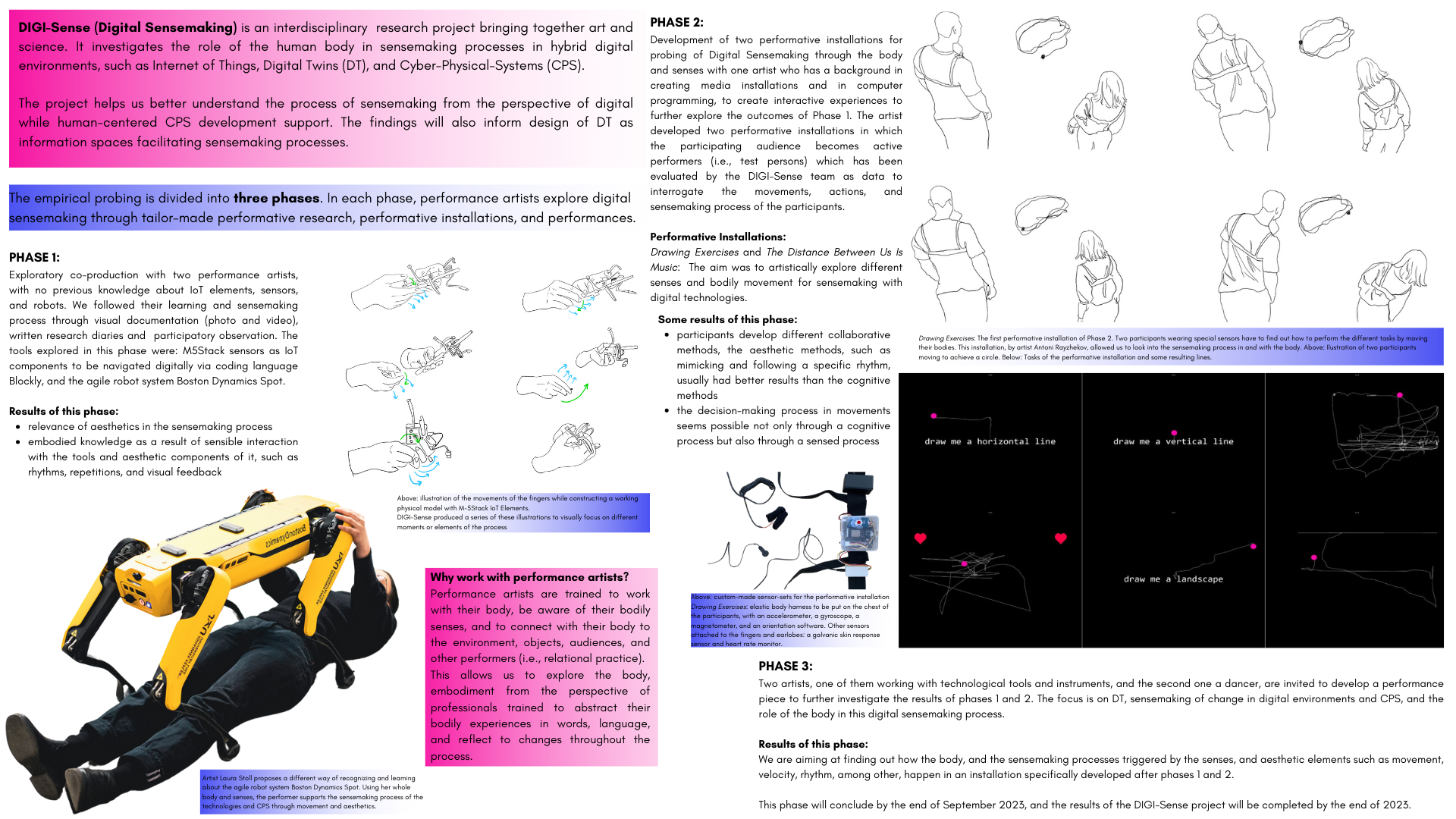
The project focuses on sensemaking (Weick) in digitalization processes, especially in the interaction with digital twins and robotics. We use artistic engagement – with a specific focus on dance and performance – to gain insights into the embodiment and relevance of aesthetic/sensory knowledge in sensemaking processes. Thereby we aim at advancing understanding of the mechanisms underlying artful articulation and sensemaking in digital transformation projects by examining the socio-technical design and development process through the lens of digital twins (DT). We will extend the existing approaches on Cyber-Physical System (CPS) development and sense-making by incorporating the role of art-based articulation and DT in stakeholder processes. While DT play a critical role in digitalization, little is known about how they manifest in users’ sense-making while they are articulating needs when working with CPS information in a digitized work/living settings. While DT play a critical role in digitalization, little is known about how they manifest in users’ sense-making while they are articulating needs when working with CPS information in a digitized work/living settings. A mixed-method design will be adopted, consisting of experimental studies and interviews. Stakeholders with different levels of CPS development capabilities will perform a transformative design task based on articulation in the Digital SenseMaking (DSM) Lab. To reach this aim, we will work with an interdisciplinary, diverse team, bringing together theoretical investigation into sensemaking processes, aesthetics and art theory, organizational studies, knowledge management and business engineering. We will work with artists (dancers, performers) to create three distinct artistic interactions with the CPS/DT infrastructure the team will work with in the Digital SenseMaking Lab. Moreover, we will do prototyping sessions, interactions with diverse stakeholders and qualitative interviews to facilitate our insights. The project will help us better understand the process of sense-making from the perspective of digital while human-centered CPS development support. The findings will also inform design of DT as information spaces facilitating sense-making processes.

Poster on the DIGI-Sense project developed for the JKU Business School Townhall Meeting in July 2023. Poster design by Daniela Brill.

DIGI-Sense Phase 3

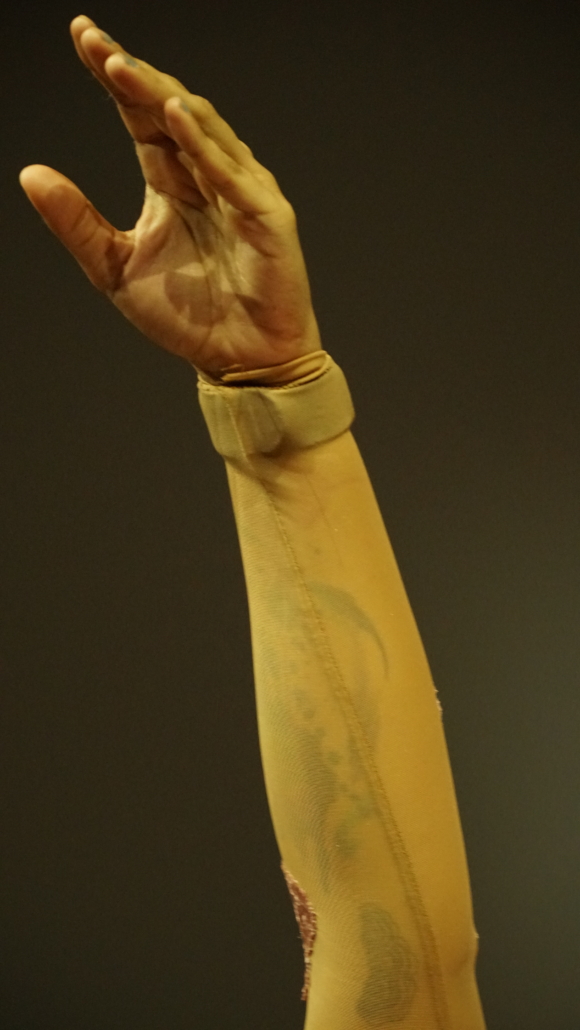
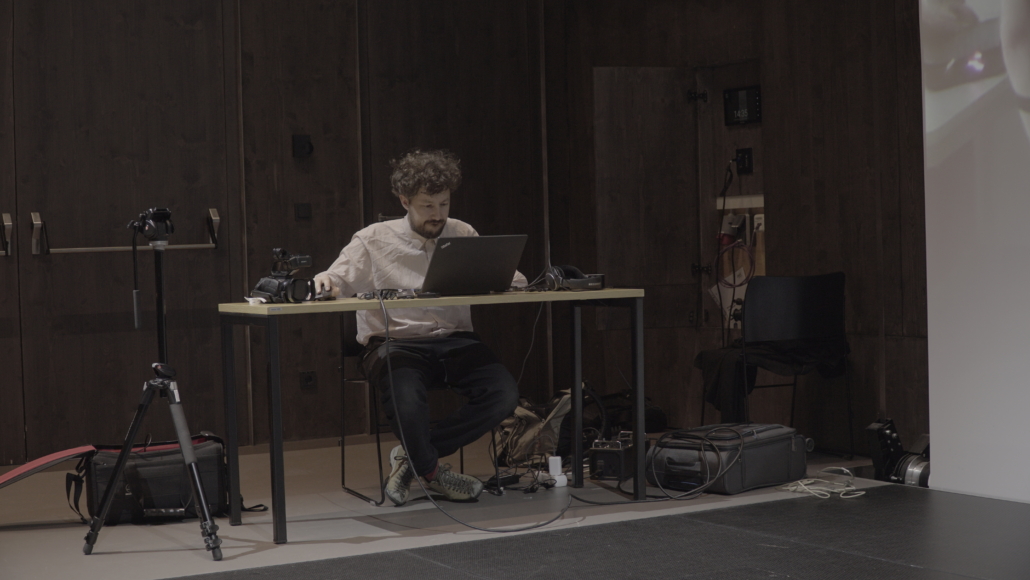
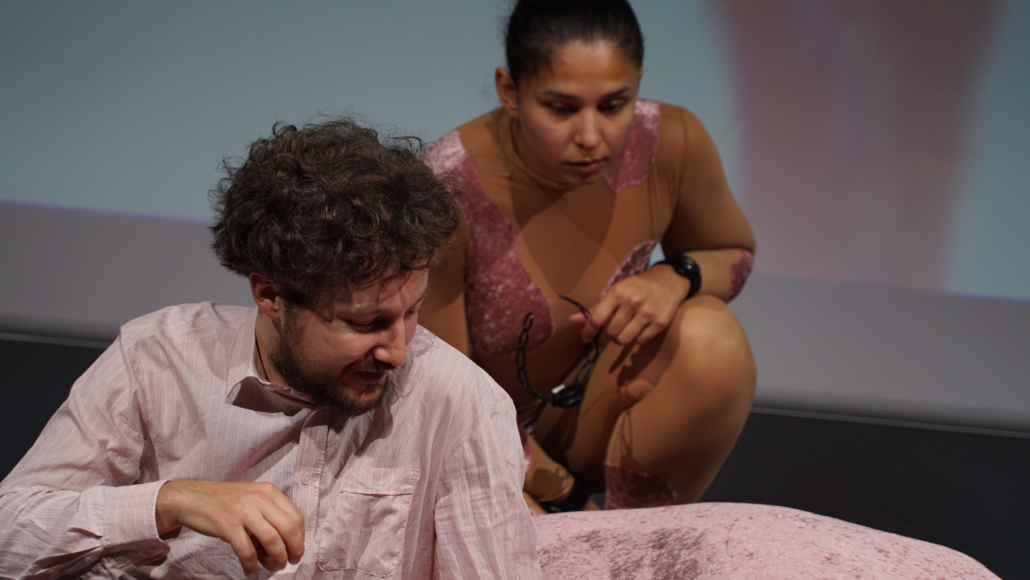
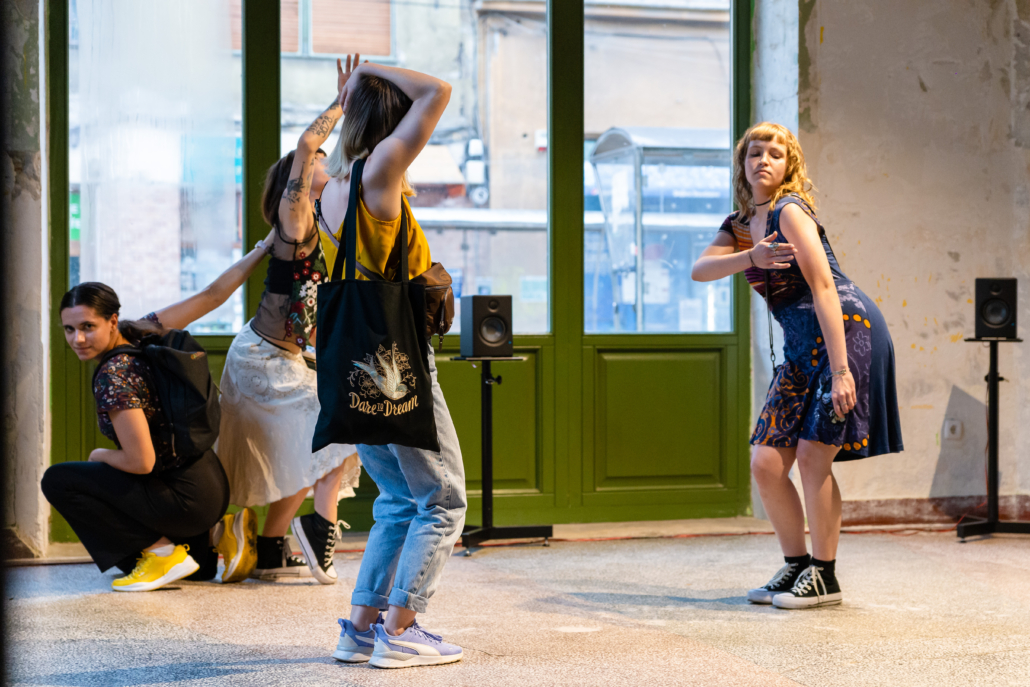
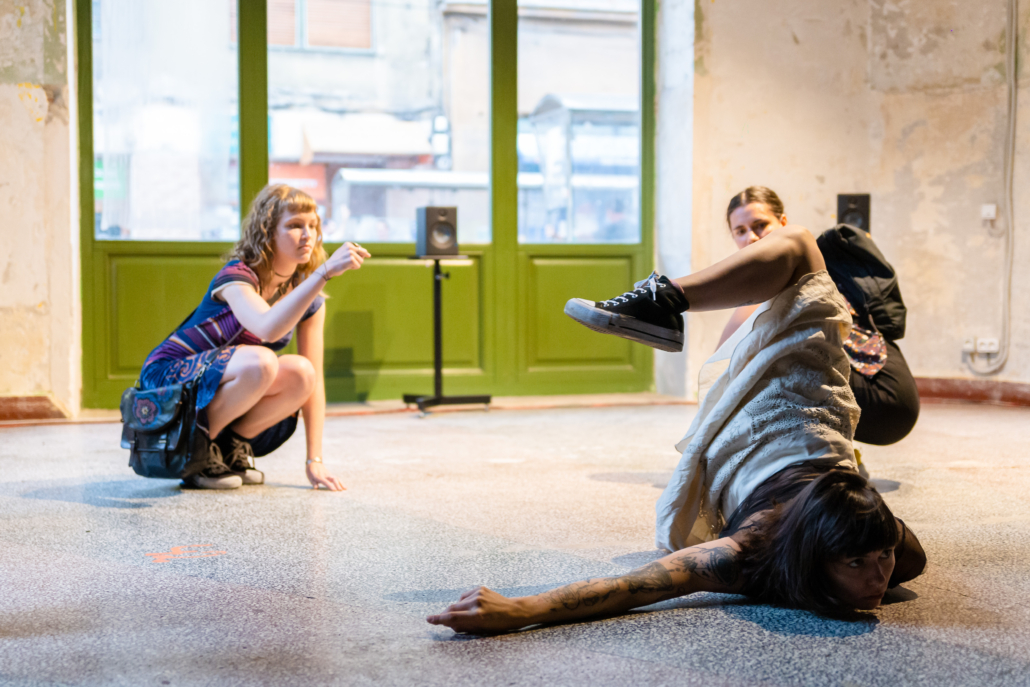
The third phase of the digital sensemaking project focuses on the body in sensemaking of change, i.e. recognizing the body and movement as central to this process. The scientific research that engages with artists to understand this process through a performance draws parallels between the body and language according to Karl E. Weick’s idea of ‘poets of change’. In this phase the DIGI-Sense team works with Costa Rican performance artist based in Vienna Andrea Vezga and Austrian media artist Klemens Kohlweis. The collaboration started in May 2023 and the performance will be premiered on 6 September 2023 at JKU’s Zirkus des Wissens.

DIGI-Sense Phase 2

The second phase of experimentation focuses on the role of aesthetics in digital sensemaking through an interactive performative installation for two individuals by Bulgarian media artist Antoni Rayzhekov based in Austria. This phase of experimentation will deliver the data for the second step in the research project. DIGI-Sense Phase 2 provides an experimental setup for artistic exploration of sensemaking, sensebreaking, and sensegiving.

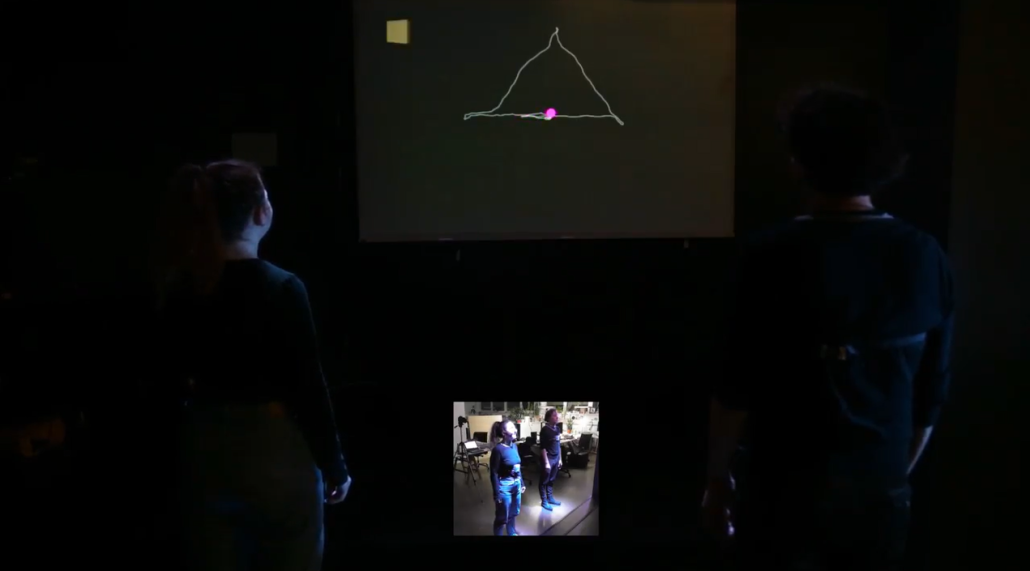
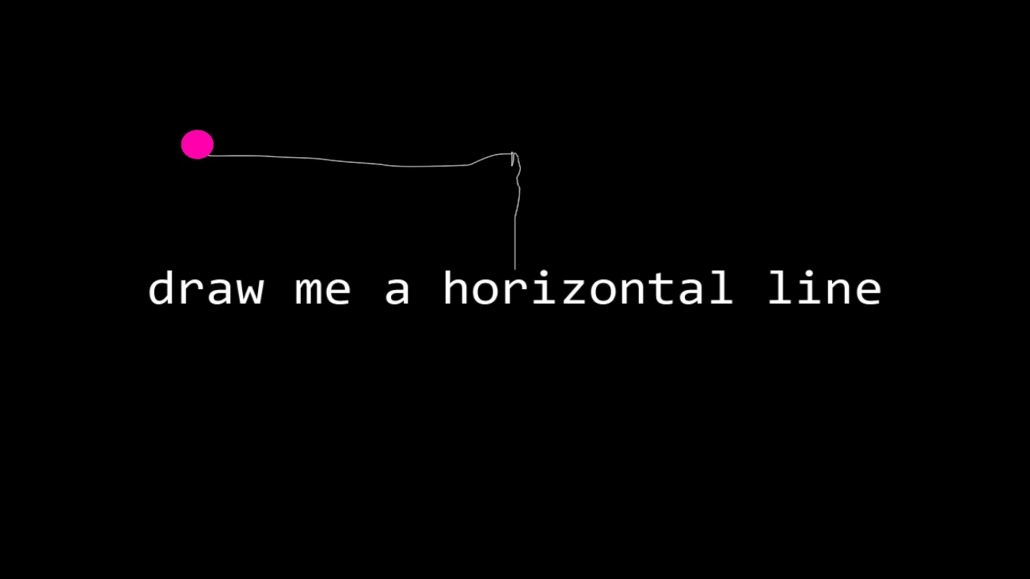
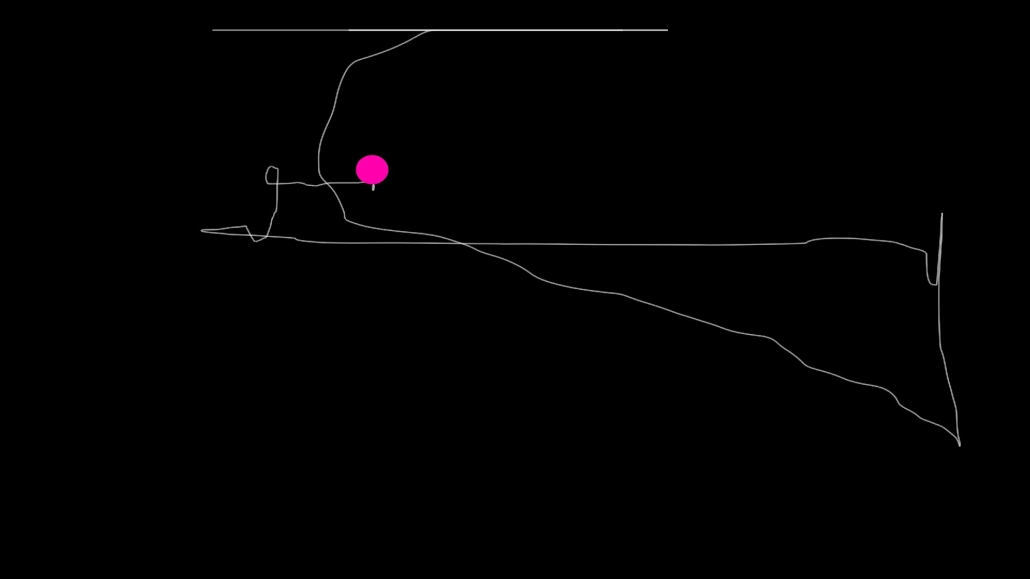
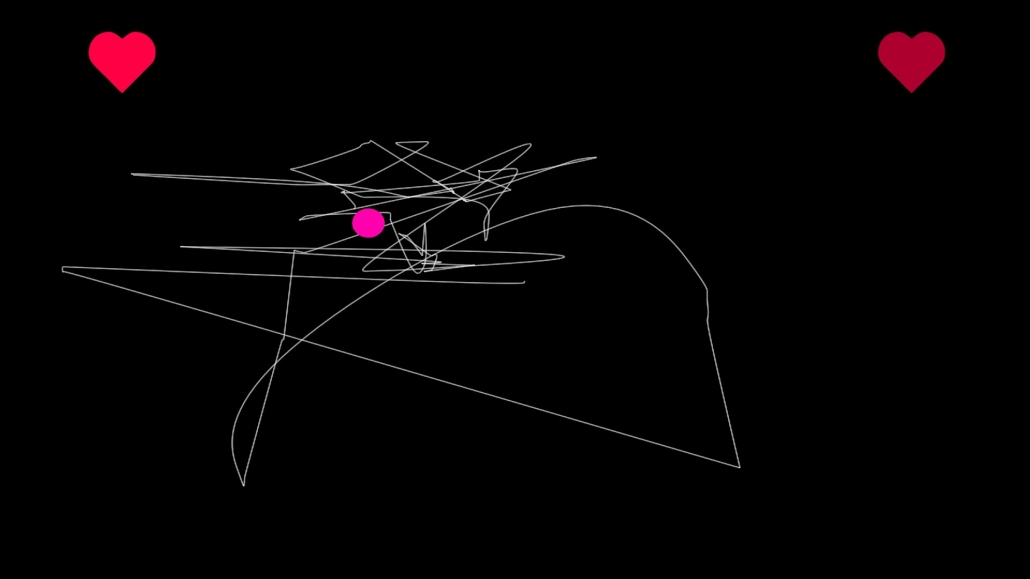
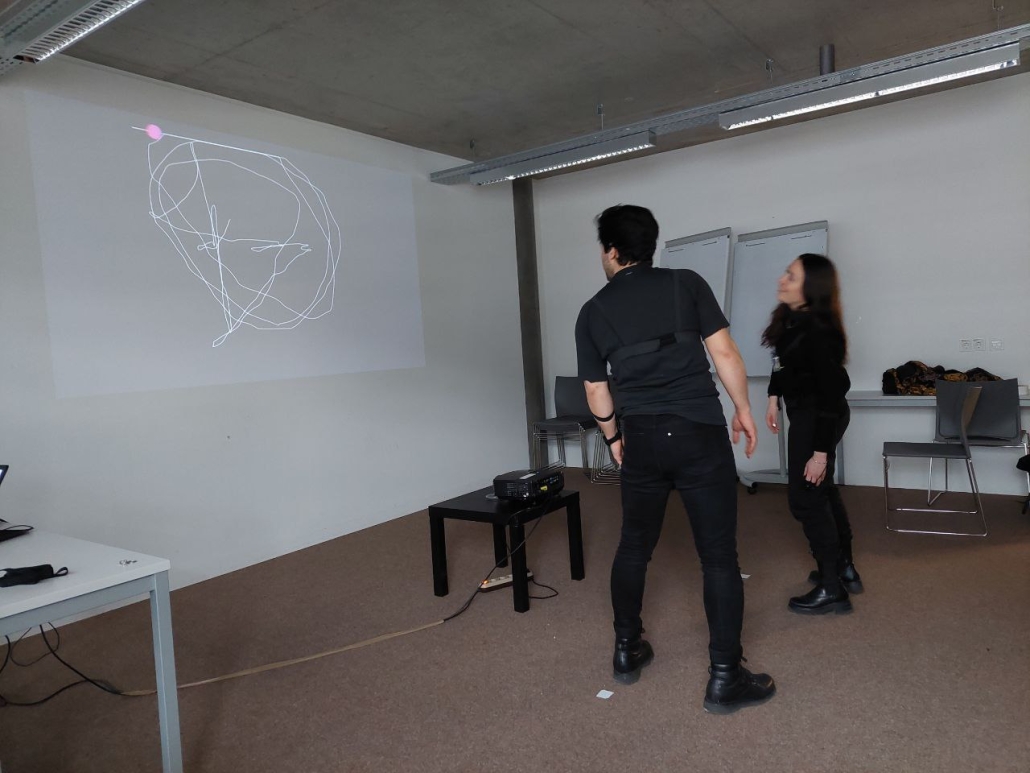
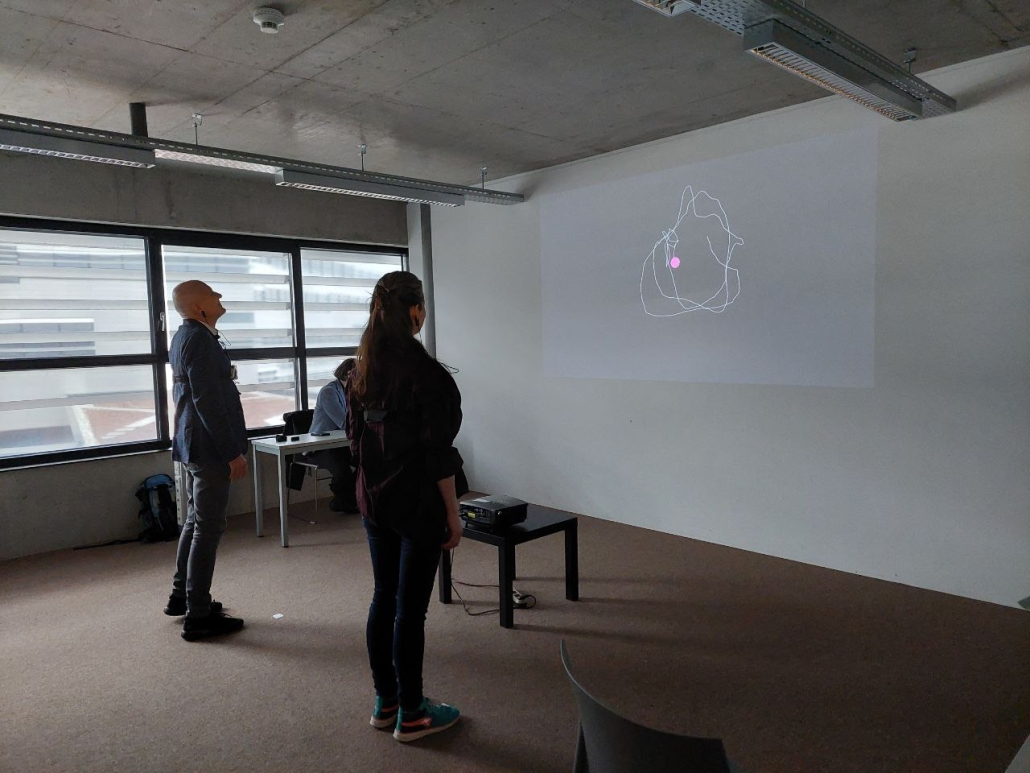
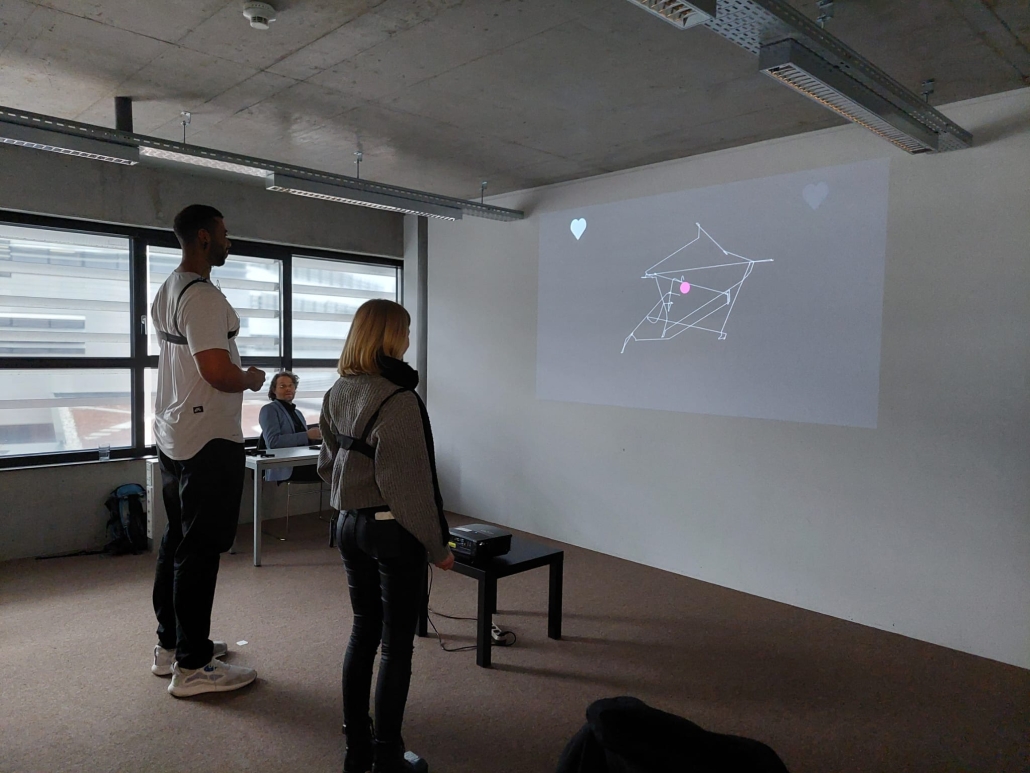
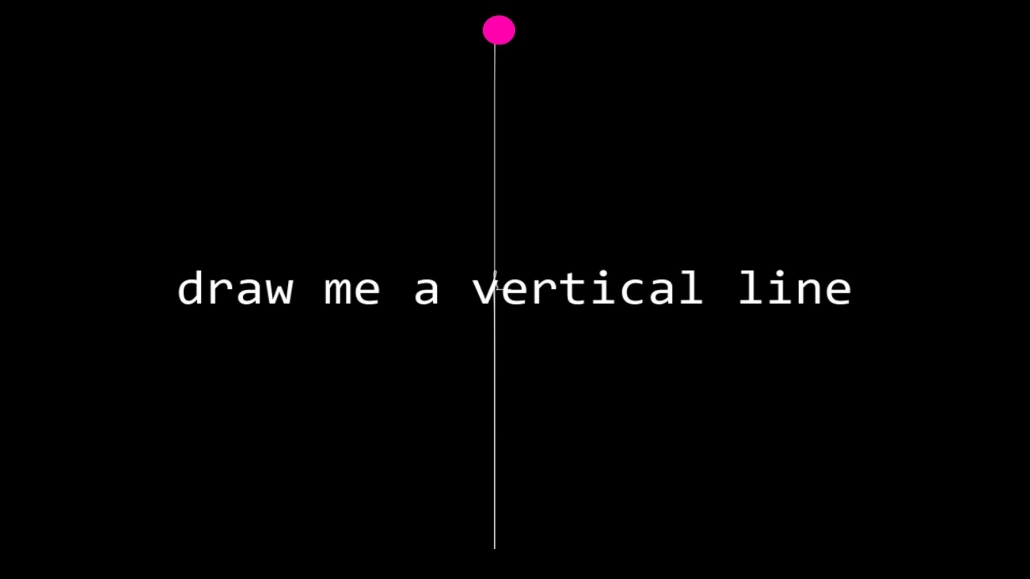
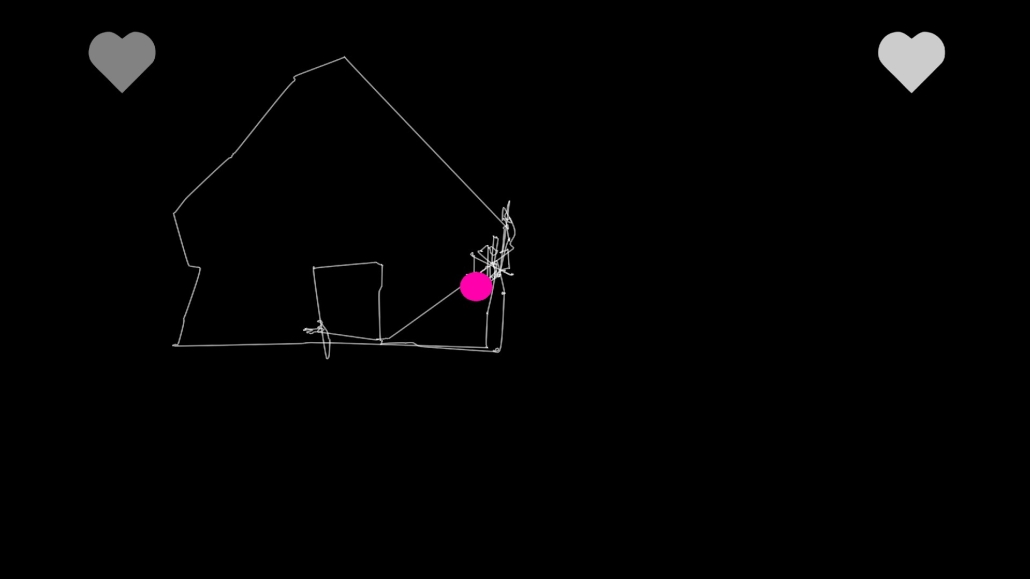
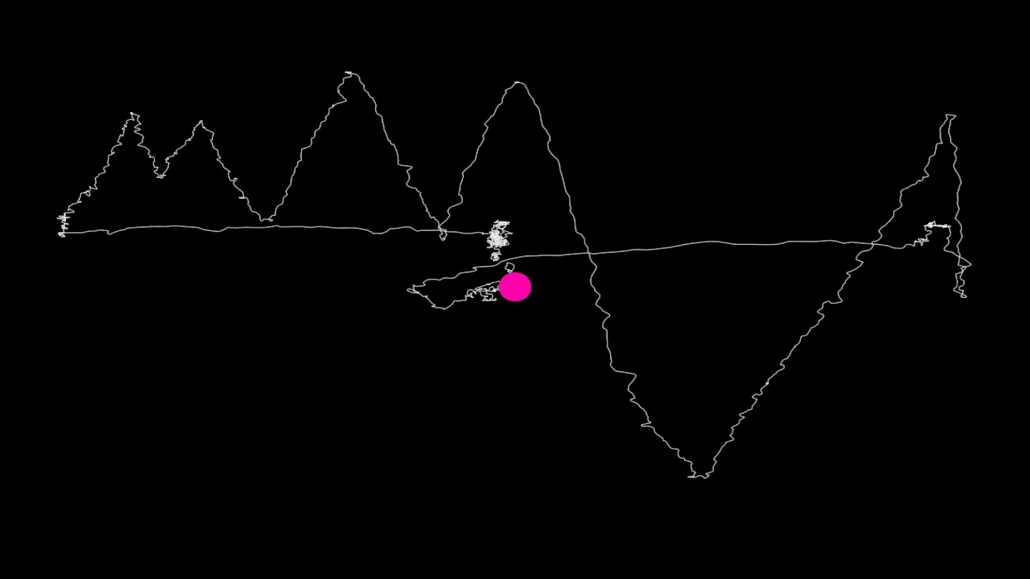
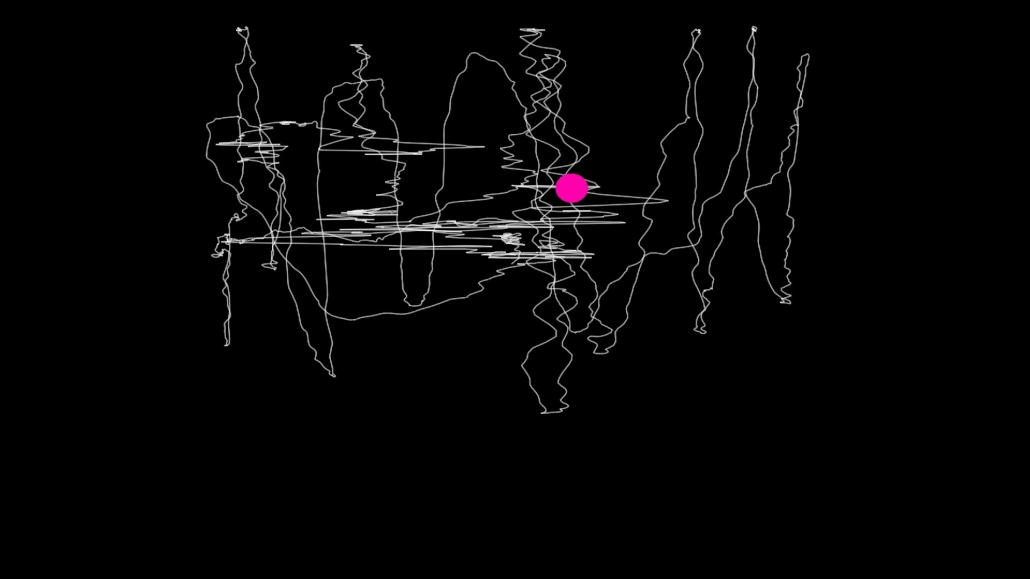
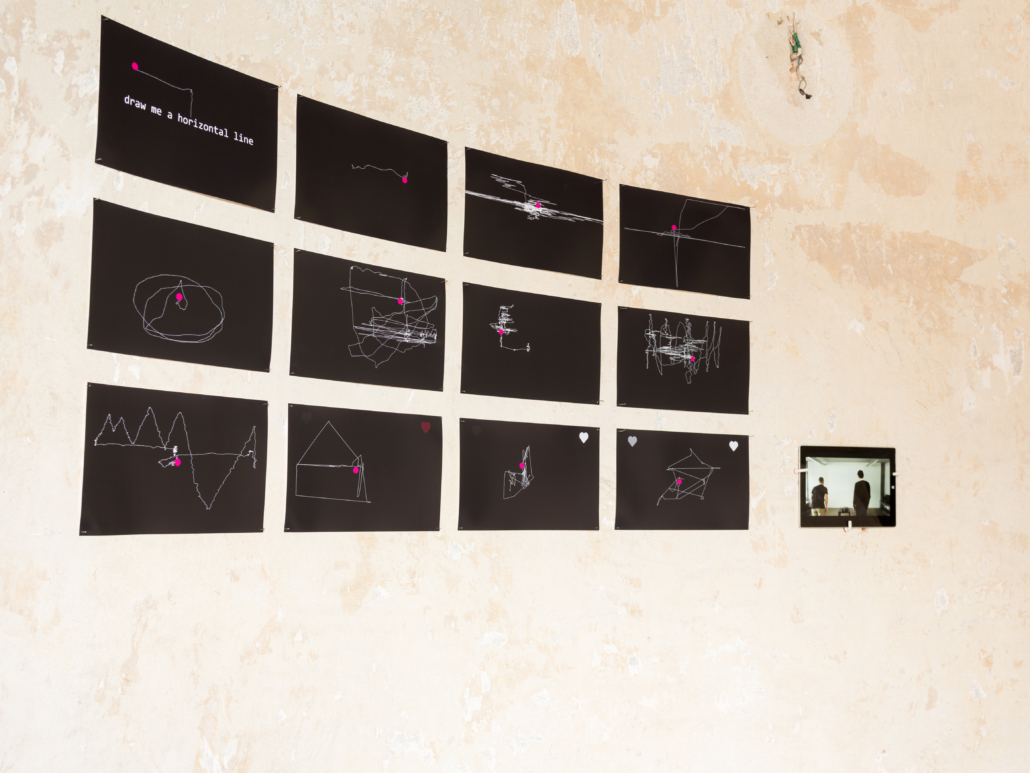
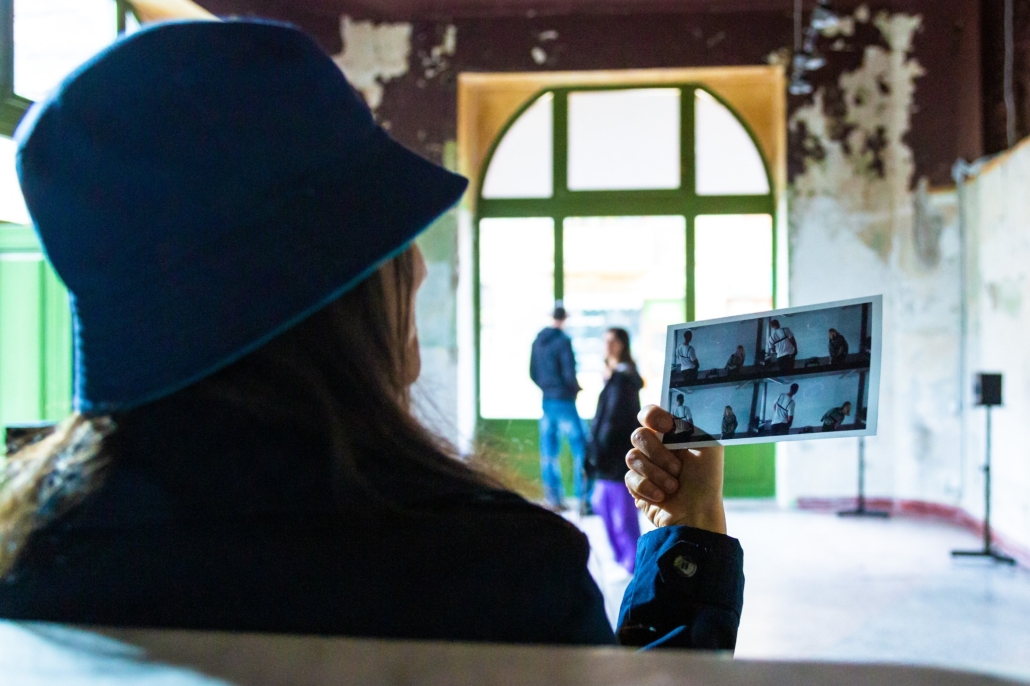
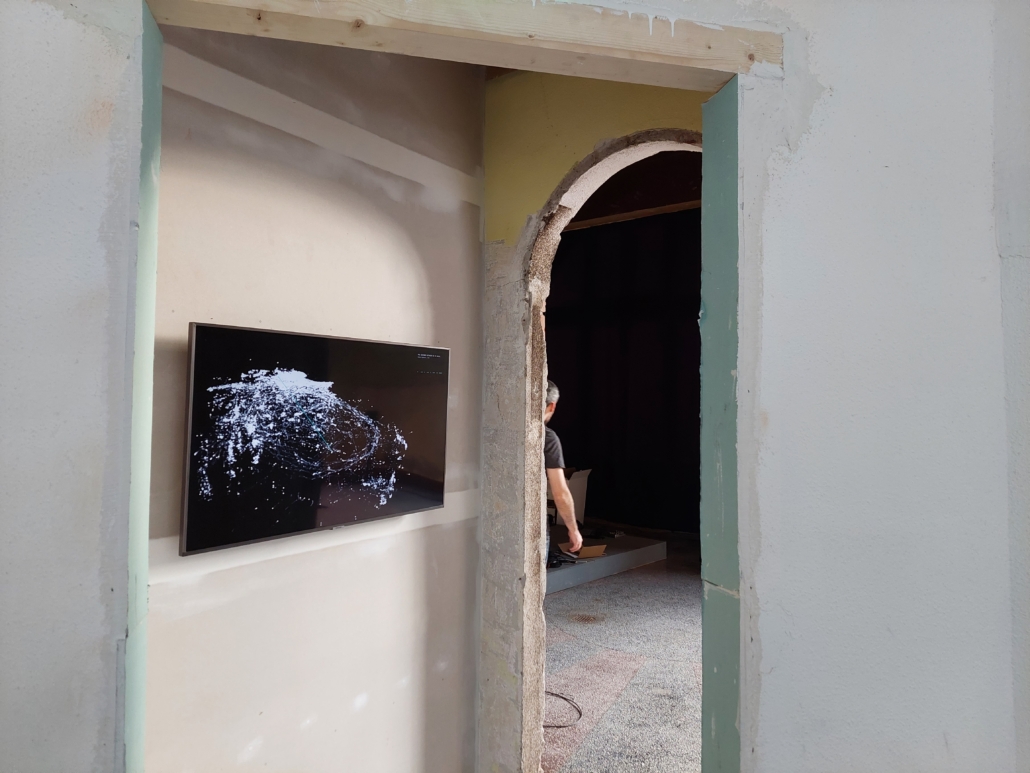
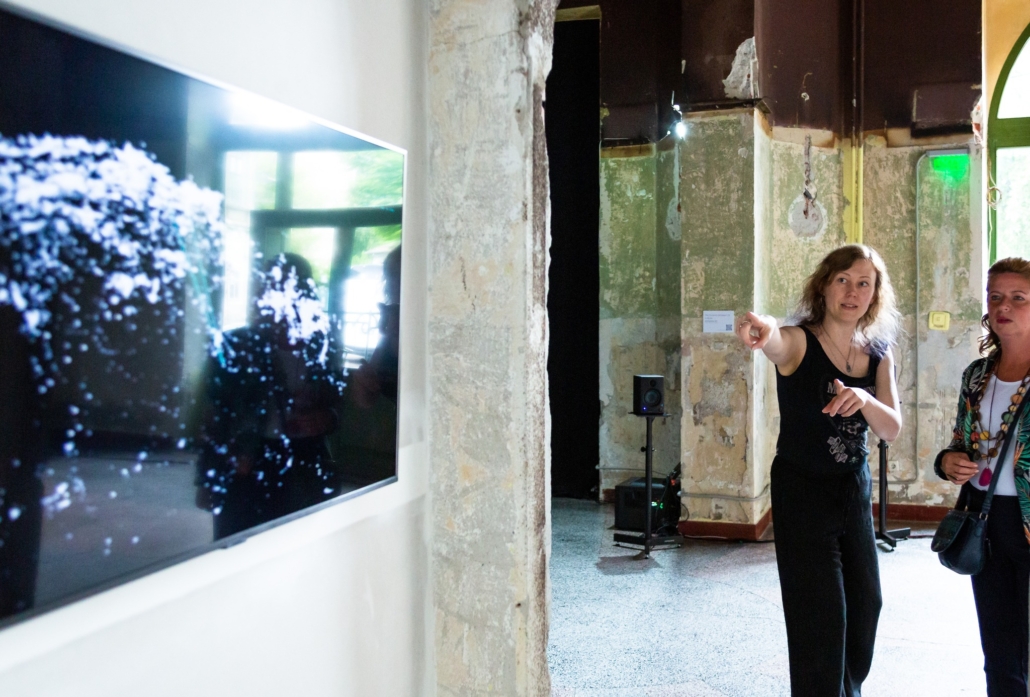
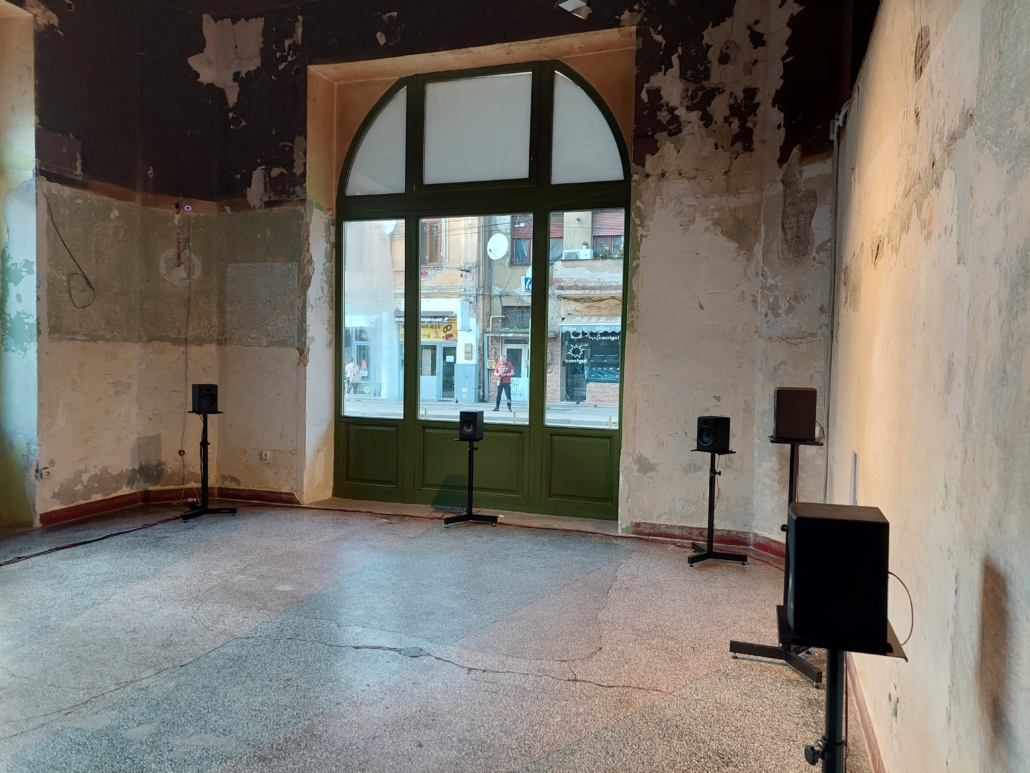
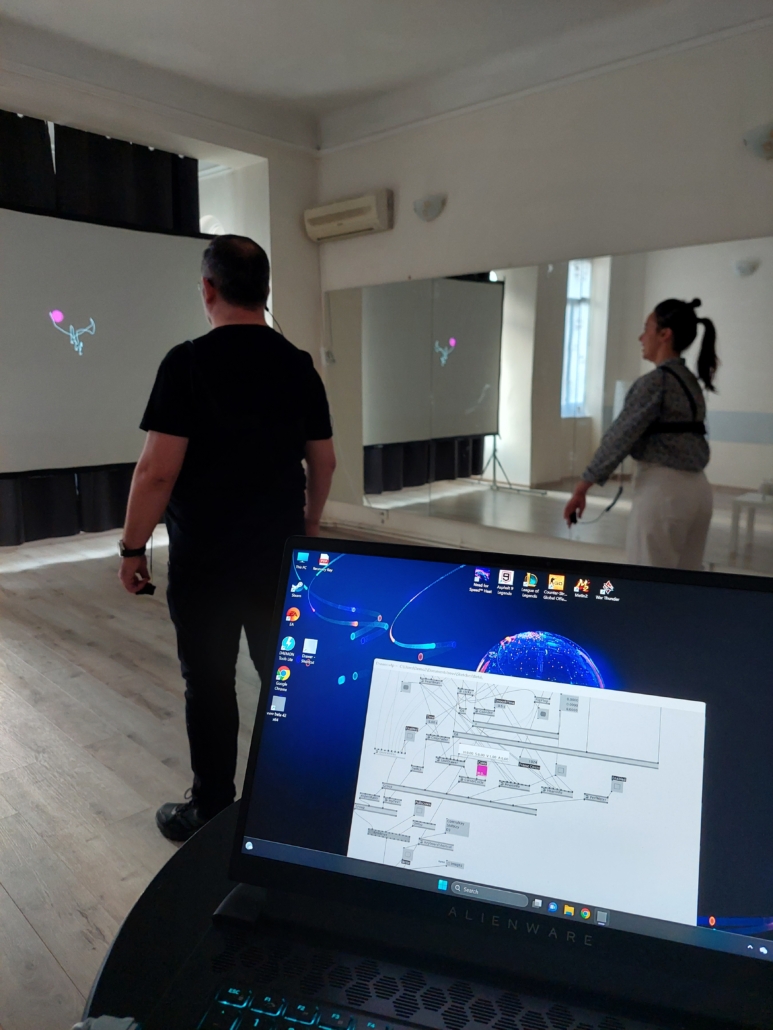
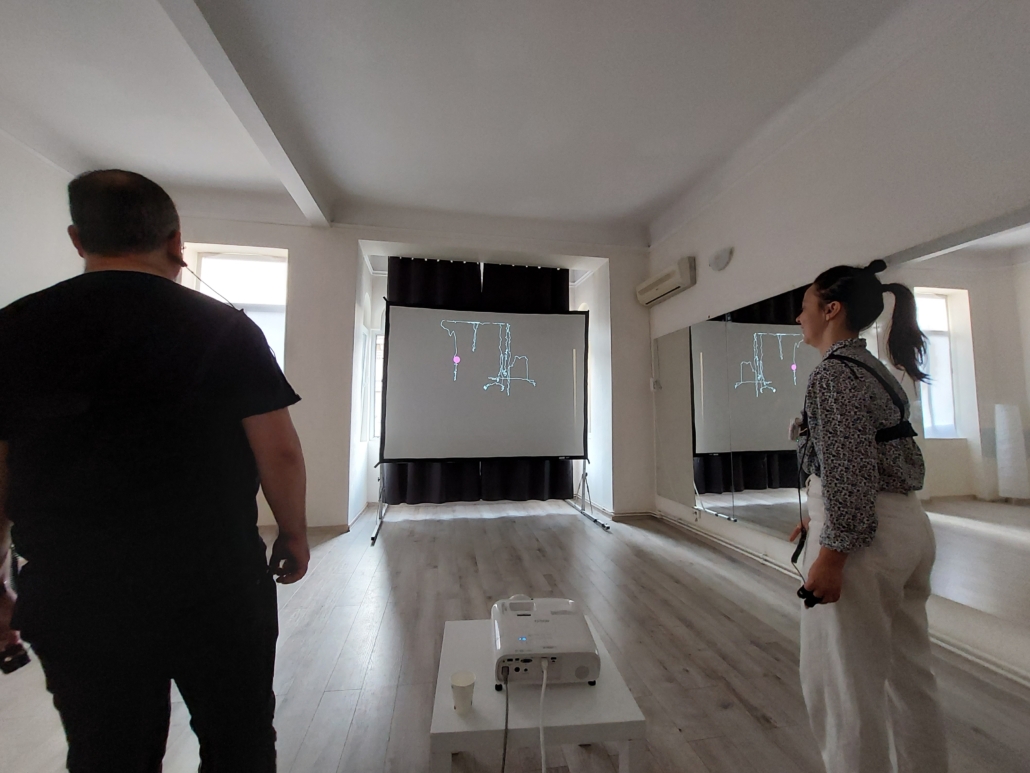
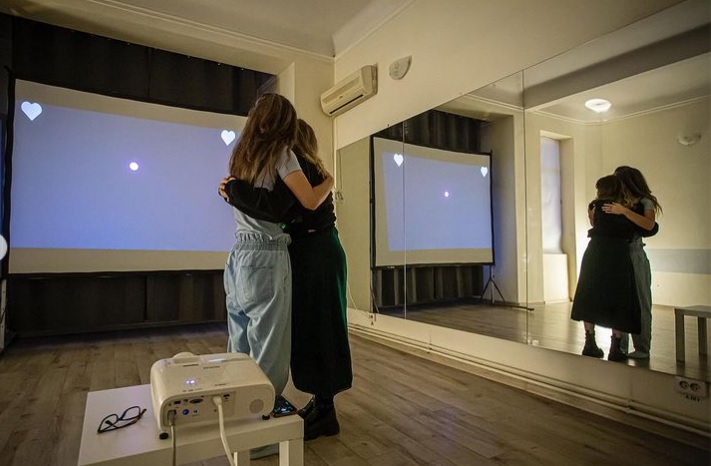
The artscience collaboration will investigate the involvement of aesthetic information in the work with technologies (visual feedback, sound feedback) in combination with embodiment (movement of the body, spatial positioning) in digital sensemaking processes. This will result in two performative installations. The first performative installation called “Drawing Exercises” integrates visual feedback and body movements for digital sensemaking, whereas the second performative installation called “The Distance Between Us Is Music” integrates sound and spatial positioning of bodies for digital sensemaking. The data gathered of both performative installations will be complemented by surveys in the form of quantitative questionnaires and qualitative interviews with the test persons.

The development of the two artworks will happen in parallel. The artist, the DIGI-Sense team, and the technical support team (Signum+, Wolfinger, Markus Jahn) for development of the first piece takes  place from November 2022 till mid-February 2023. From mid-February 2023 the piece is being performed with several audiences in oder to gather data for the research. The second artistic piece is developed by the artist December 2022 till mid-April 2023. The probing will take place April till June 2023.

Drawing Exercises

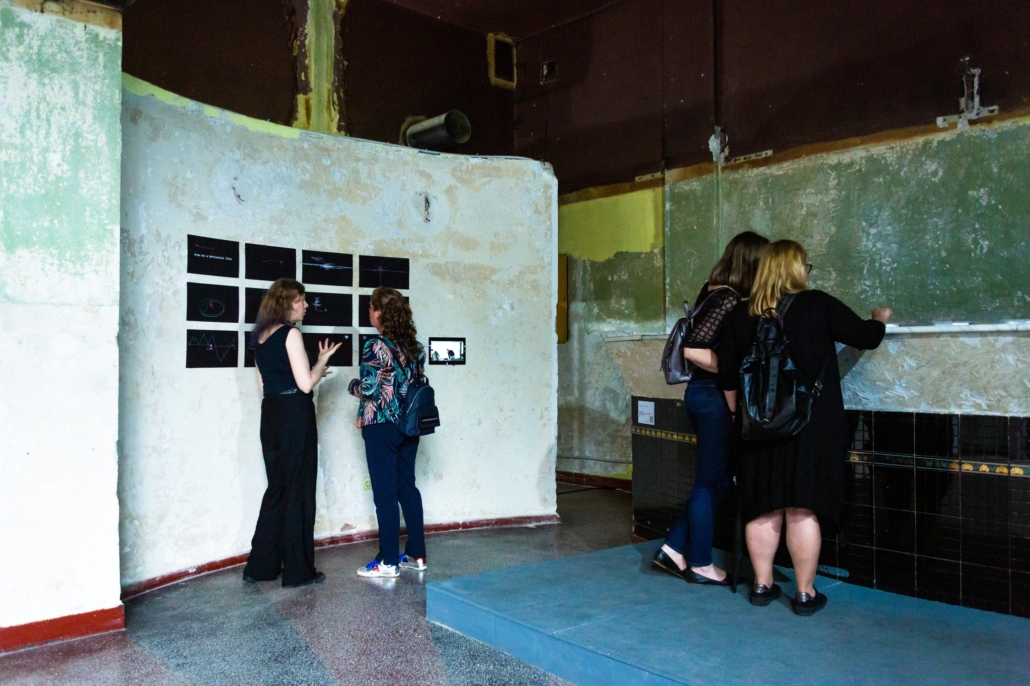
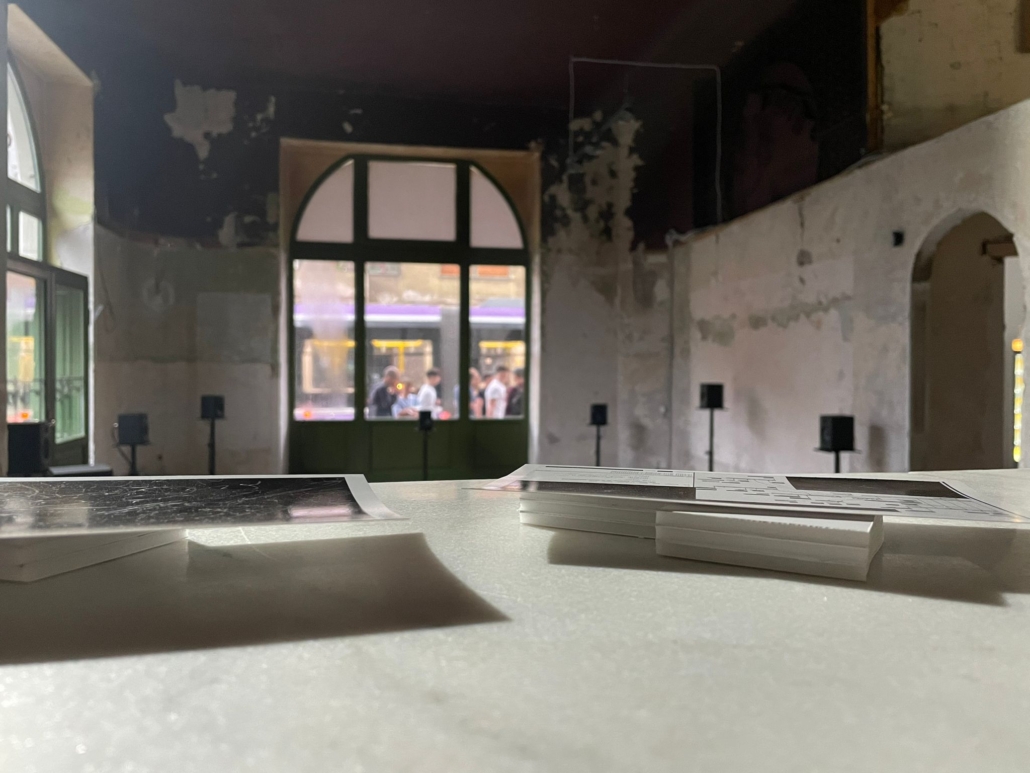
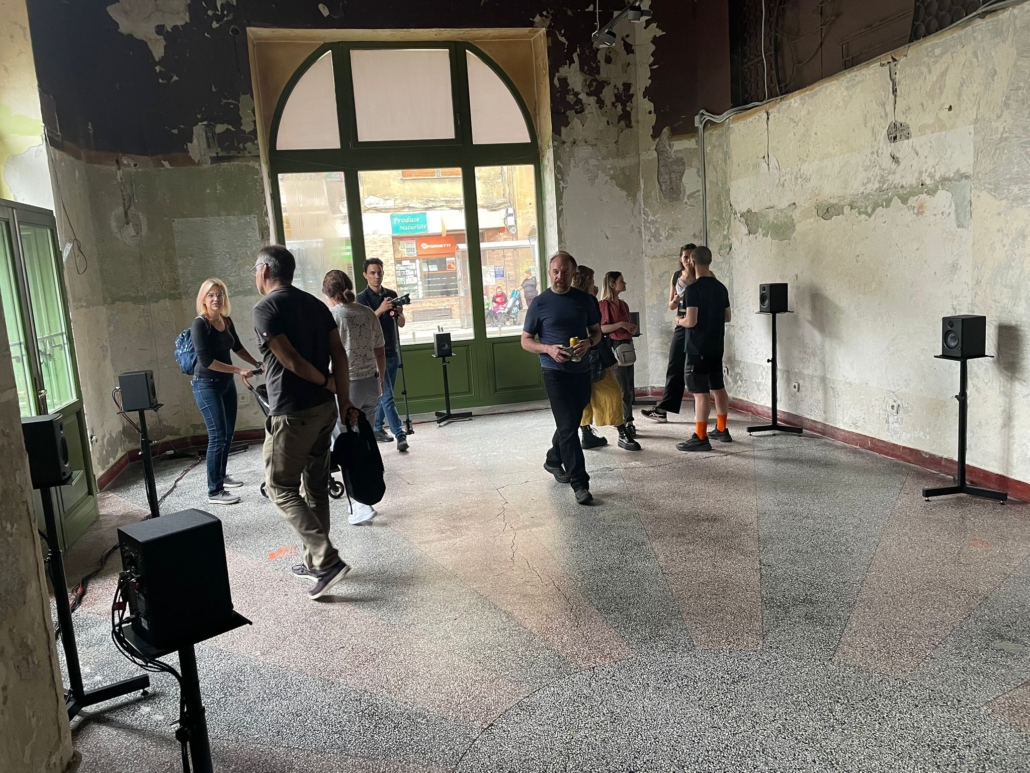
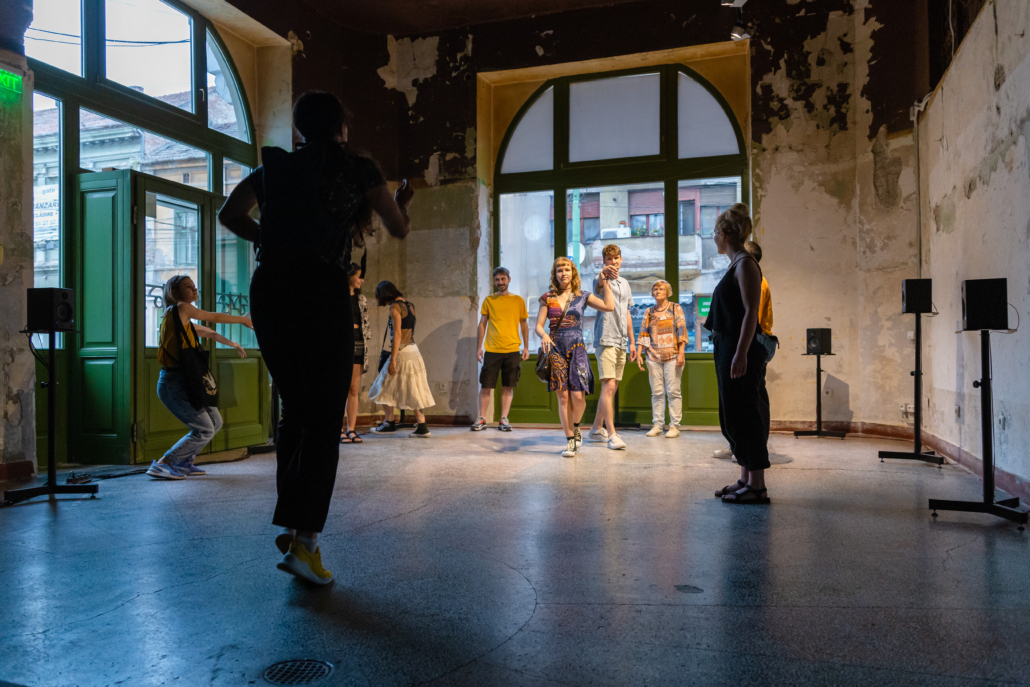
Drawing Exercises Documentation and The Distance Between Us Is Music installed in Timisoara at the Intersecting Realities exhibition, Drawing Exercises presented at NOVA Festival in Bucharest.

DIGI-Sense Phase 1

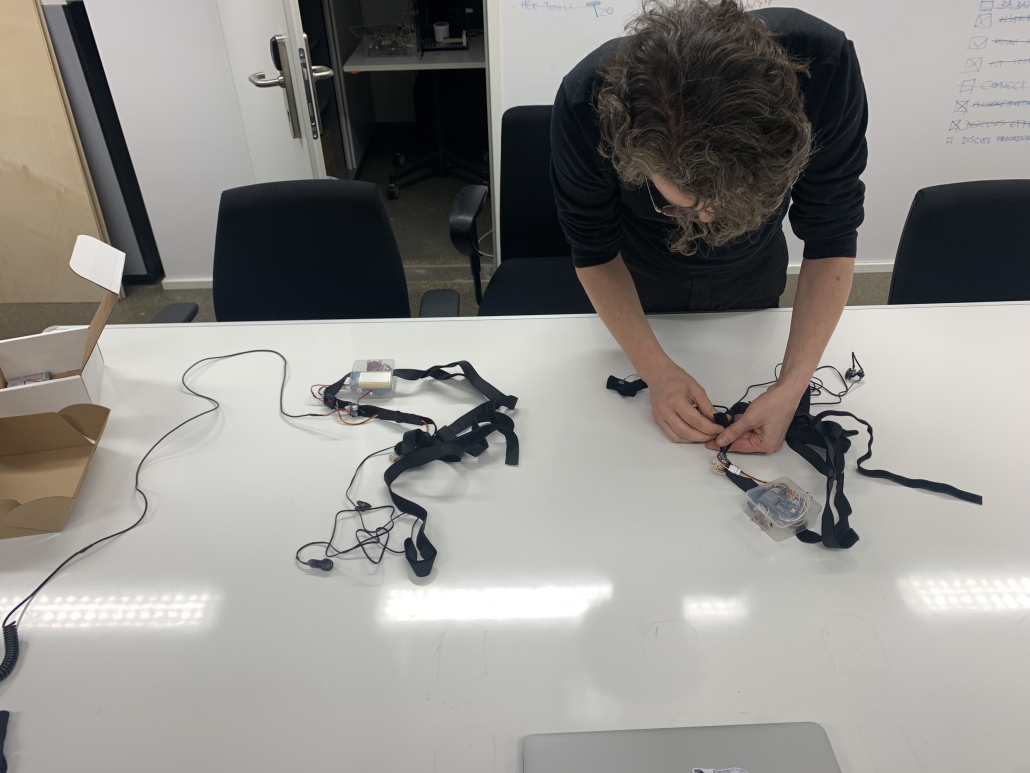
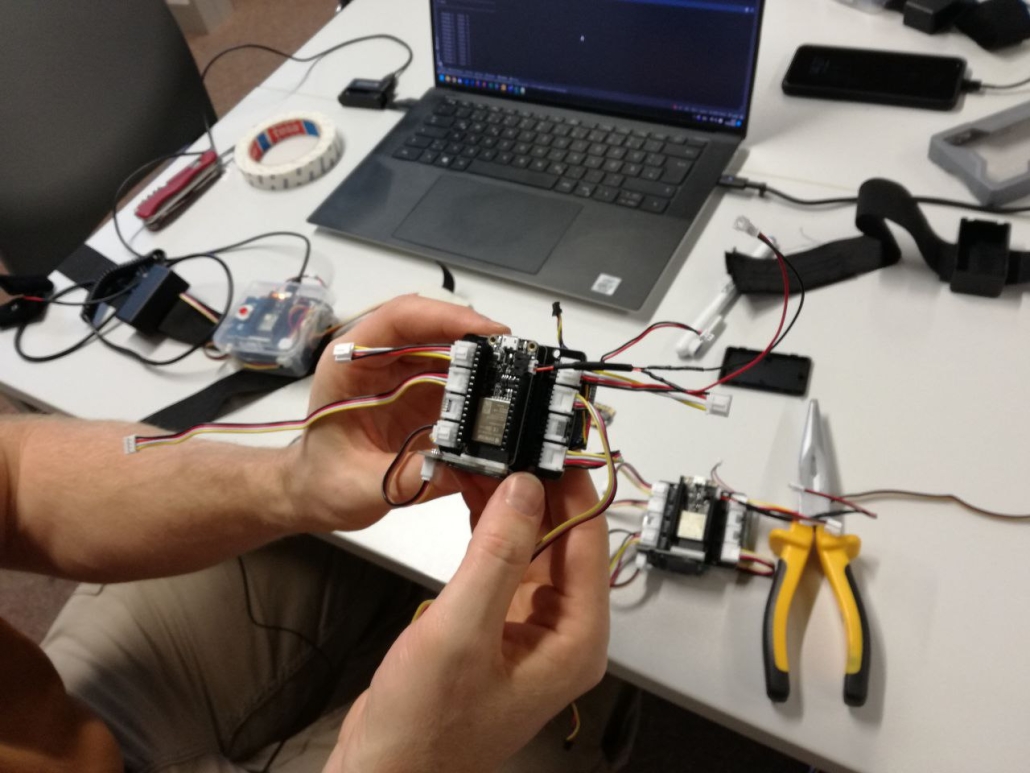
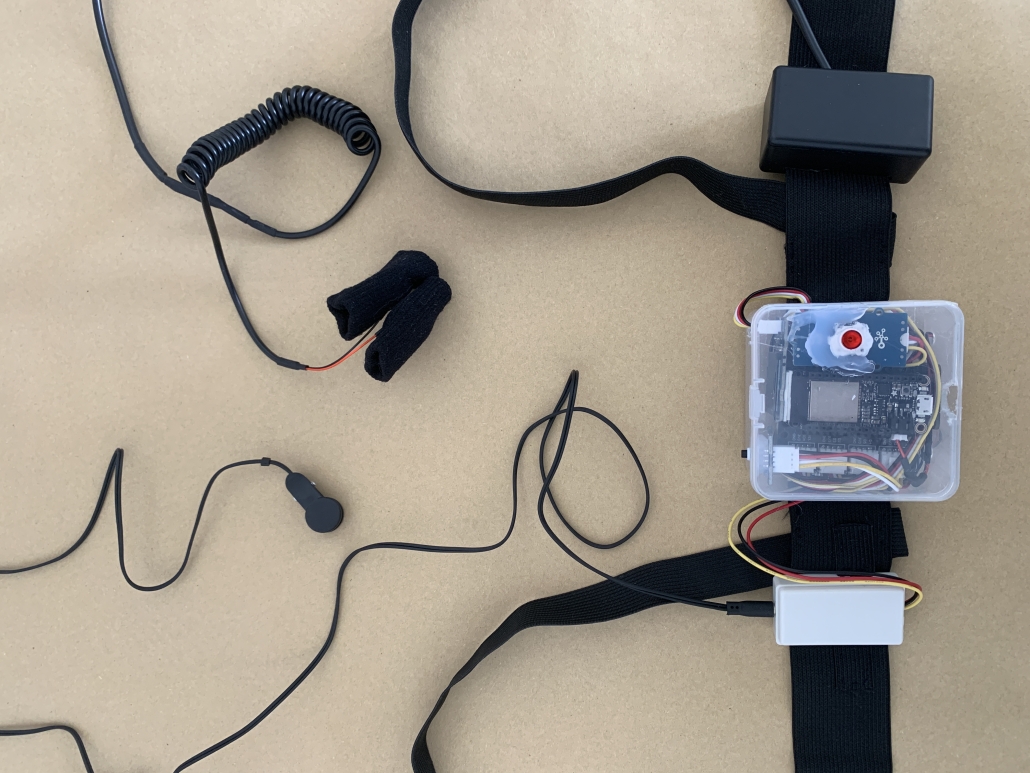
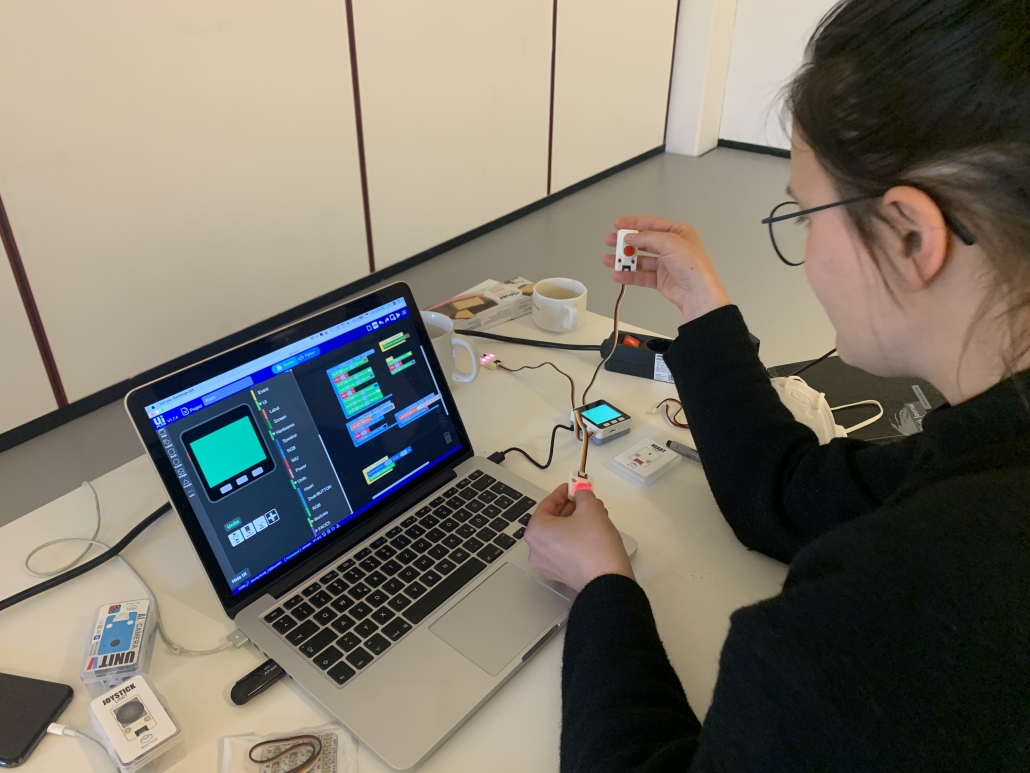
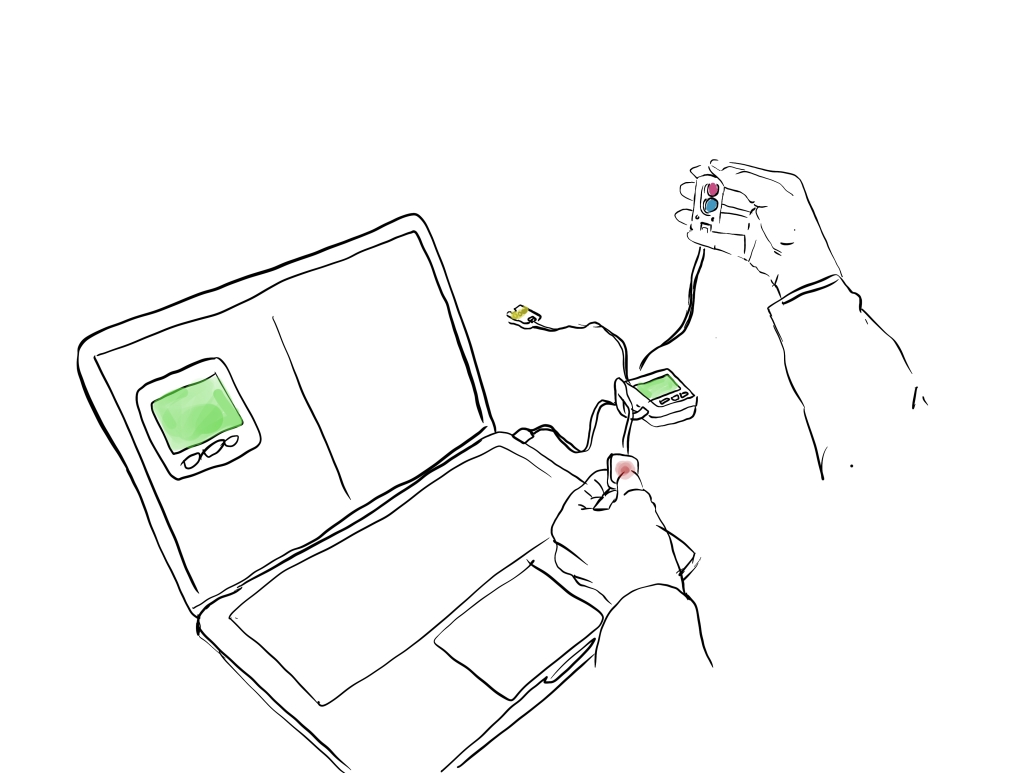
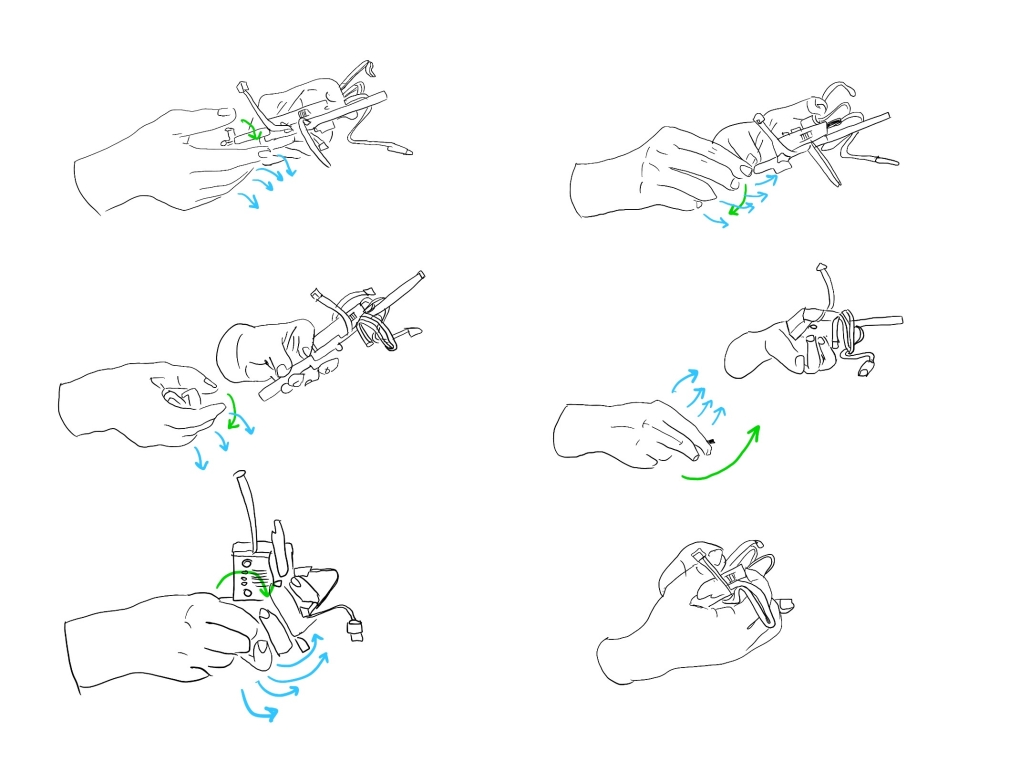
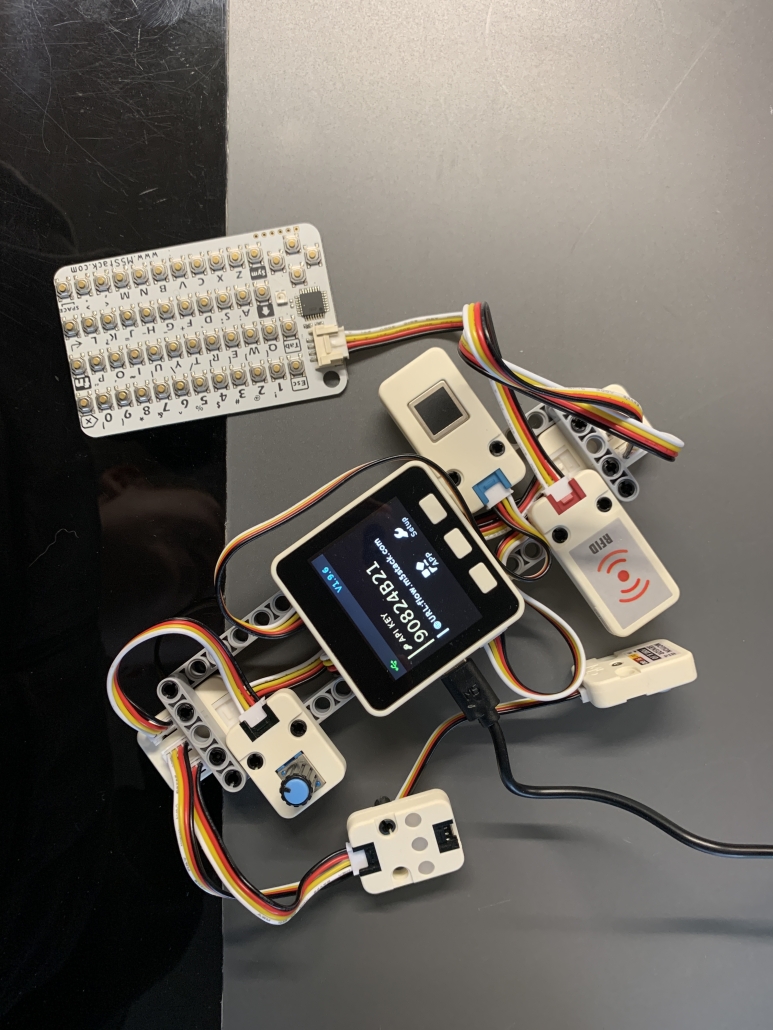
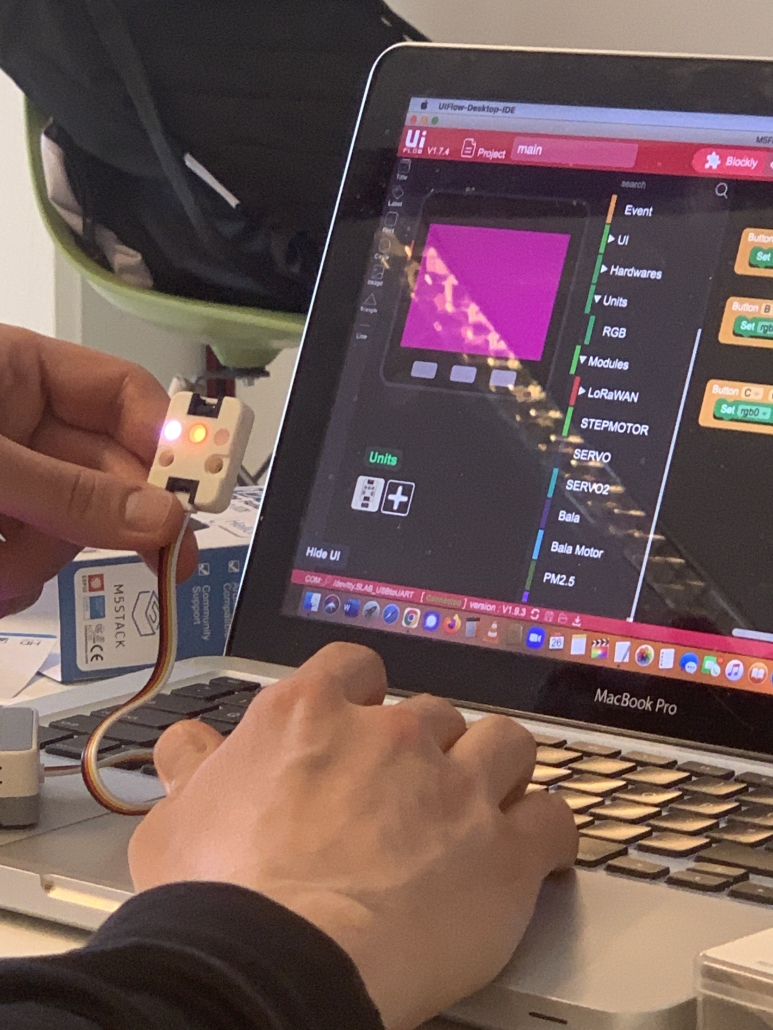
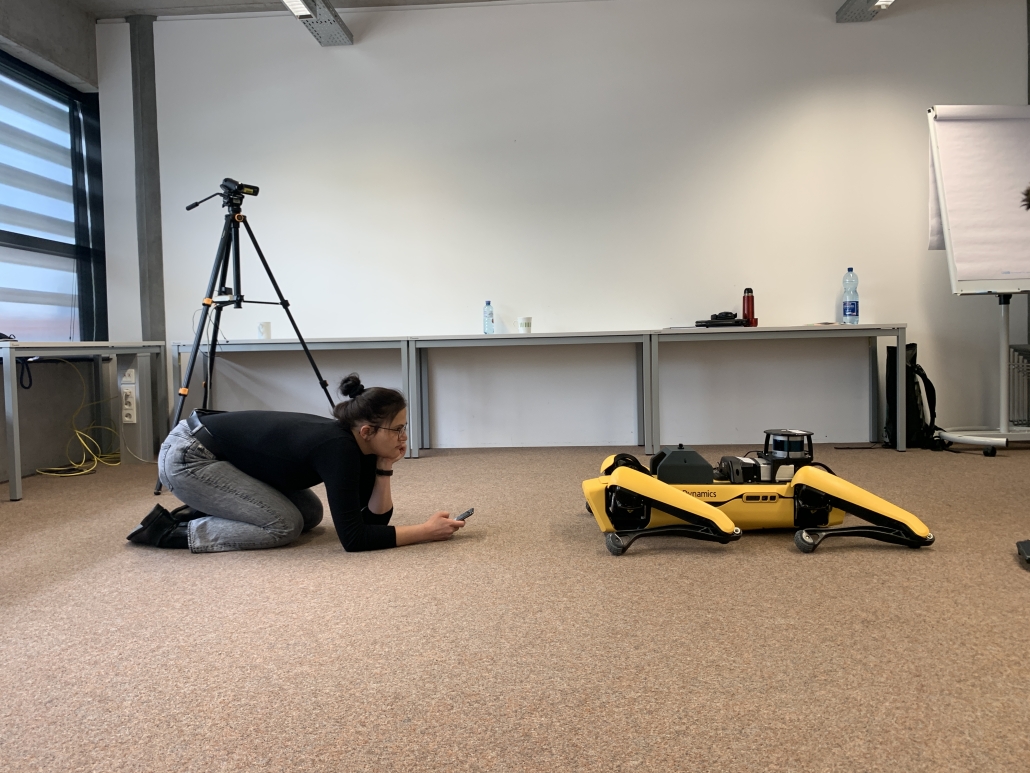
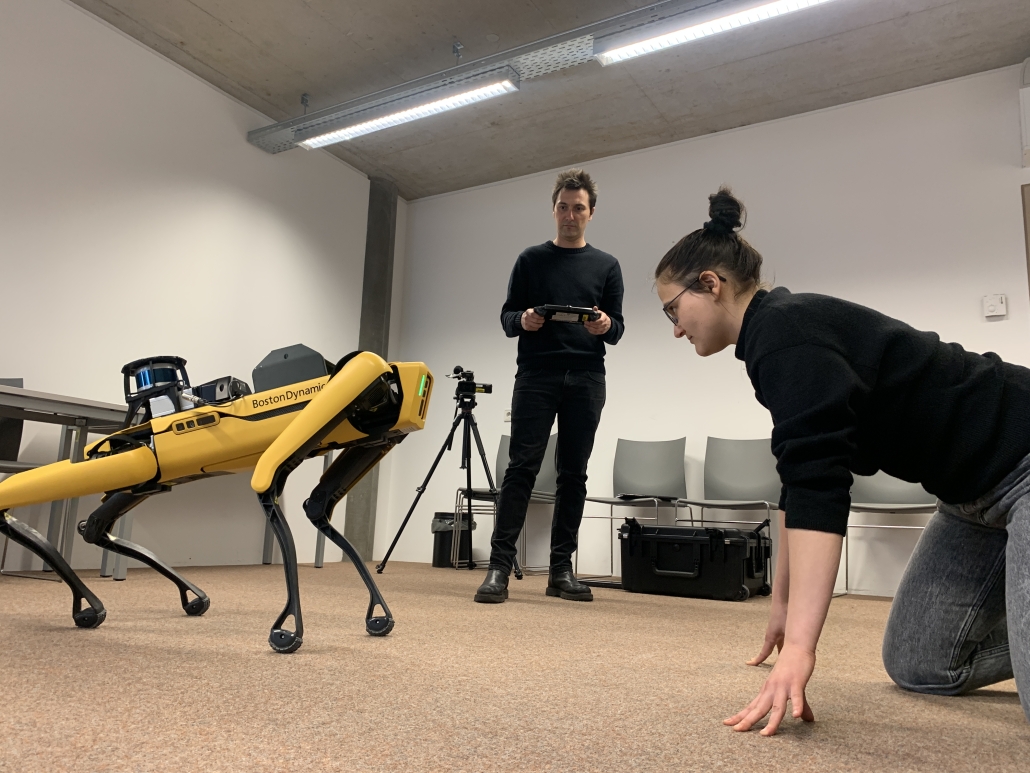
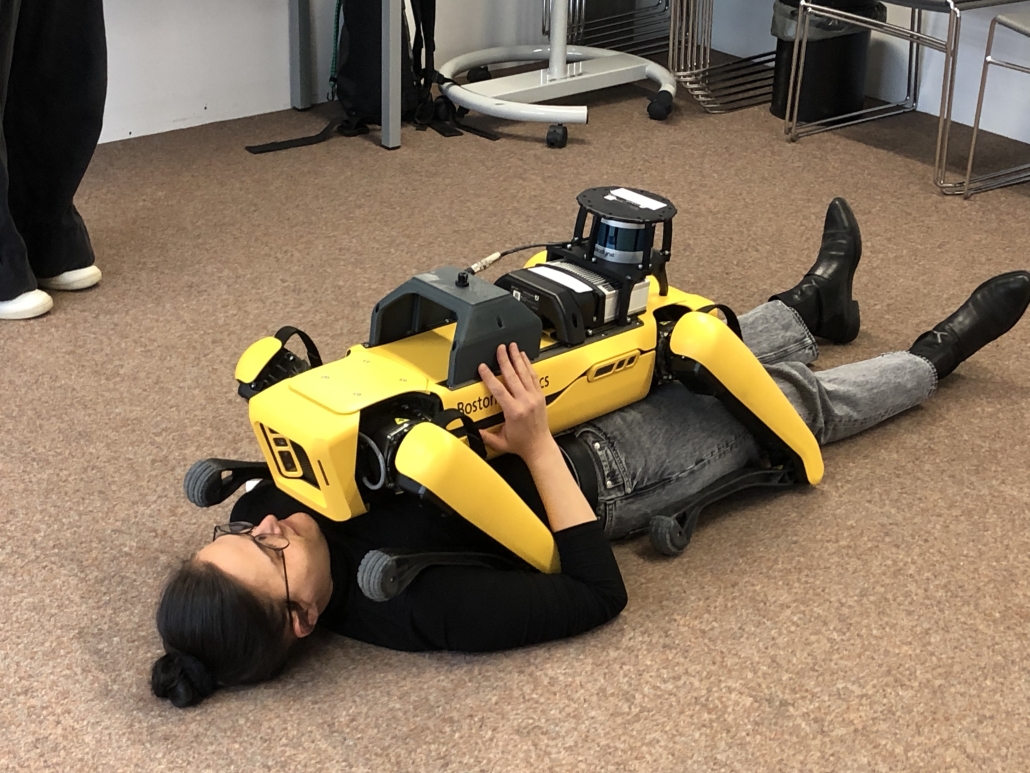
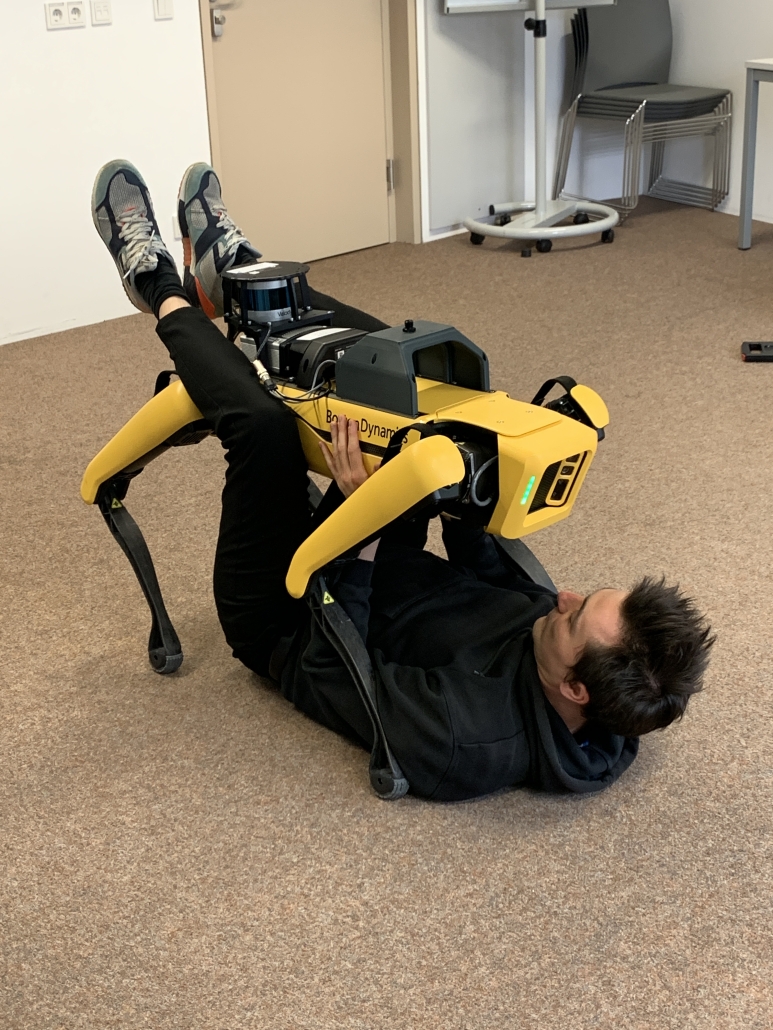
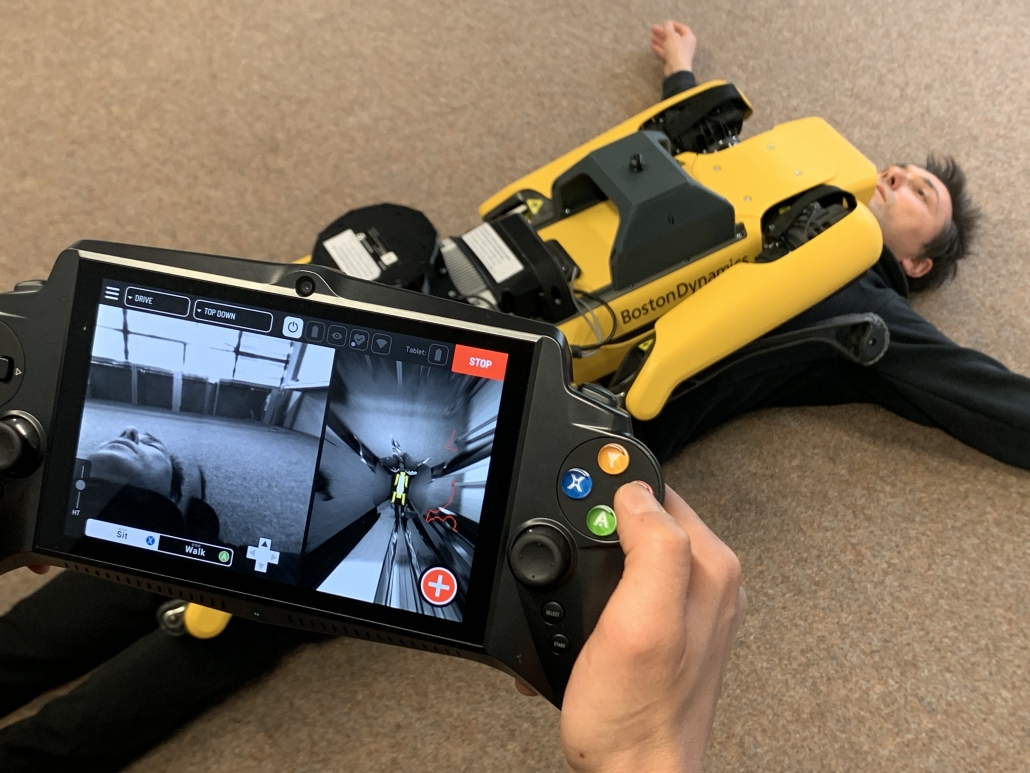
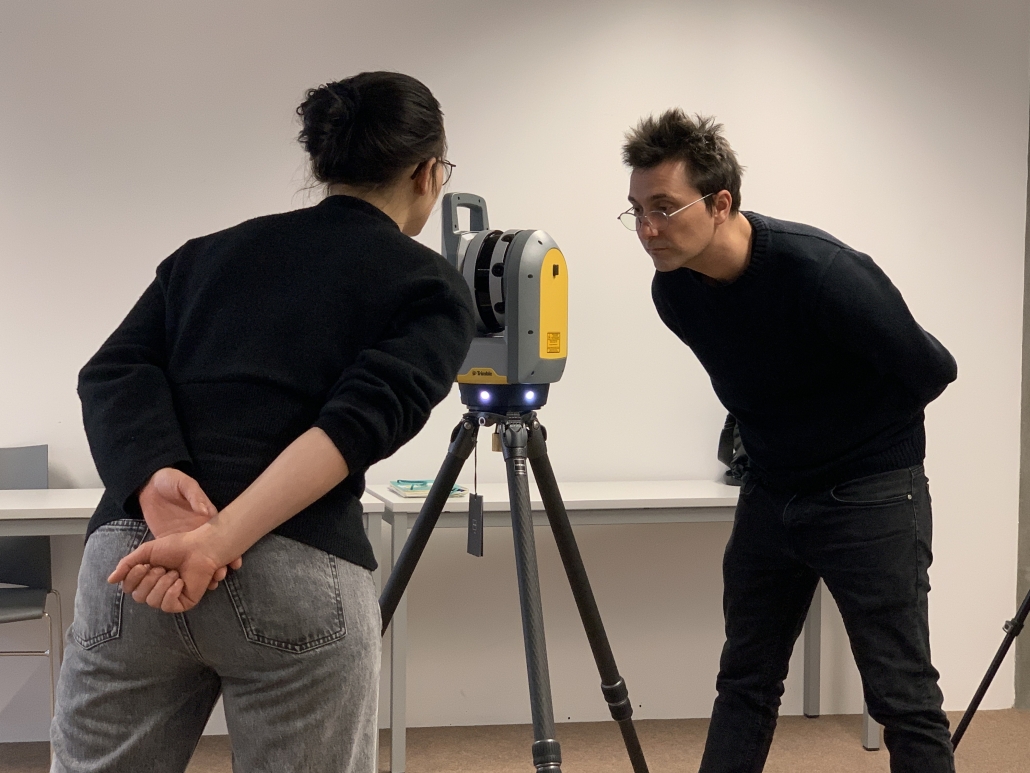
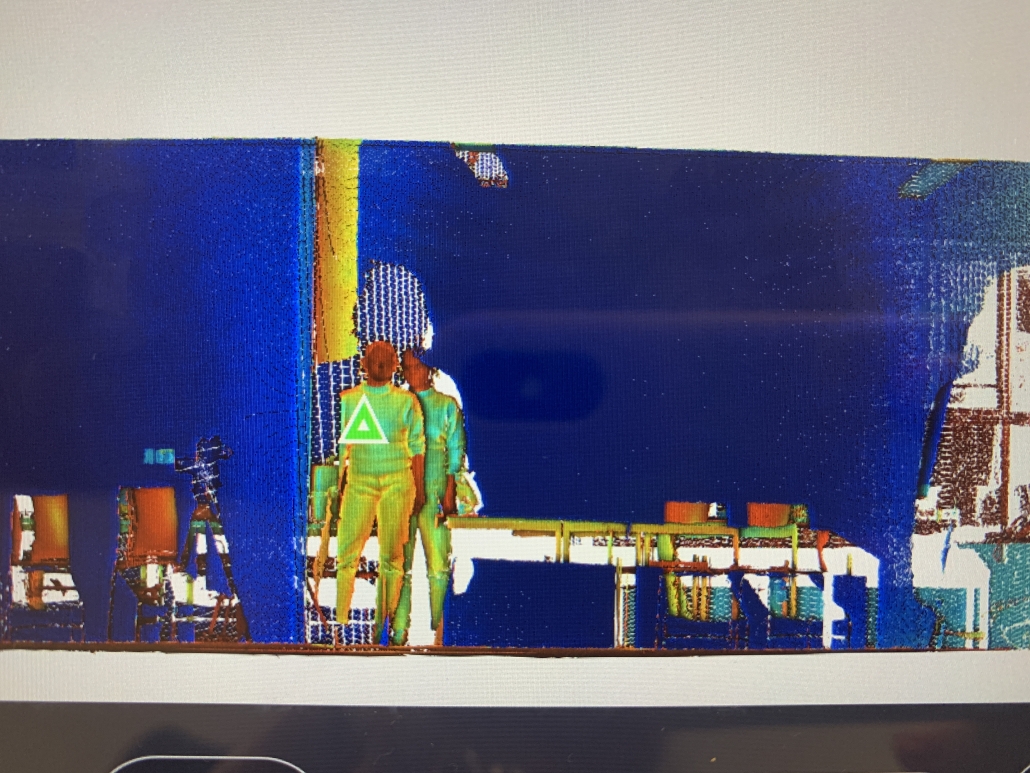
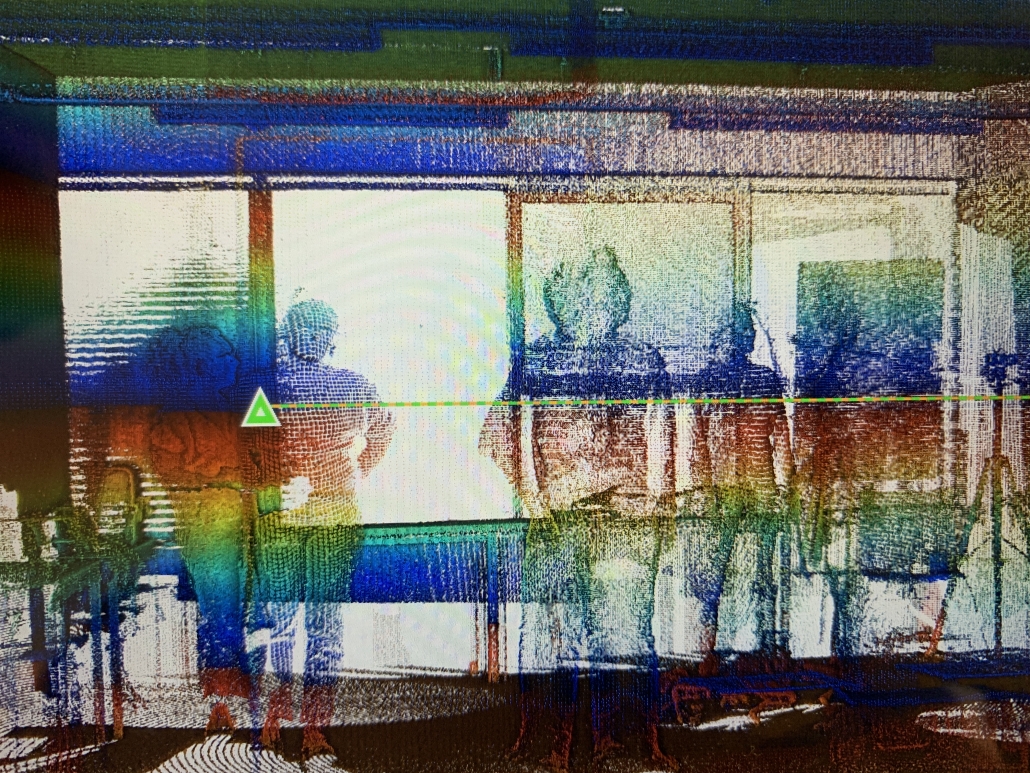
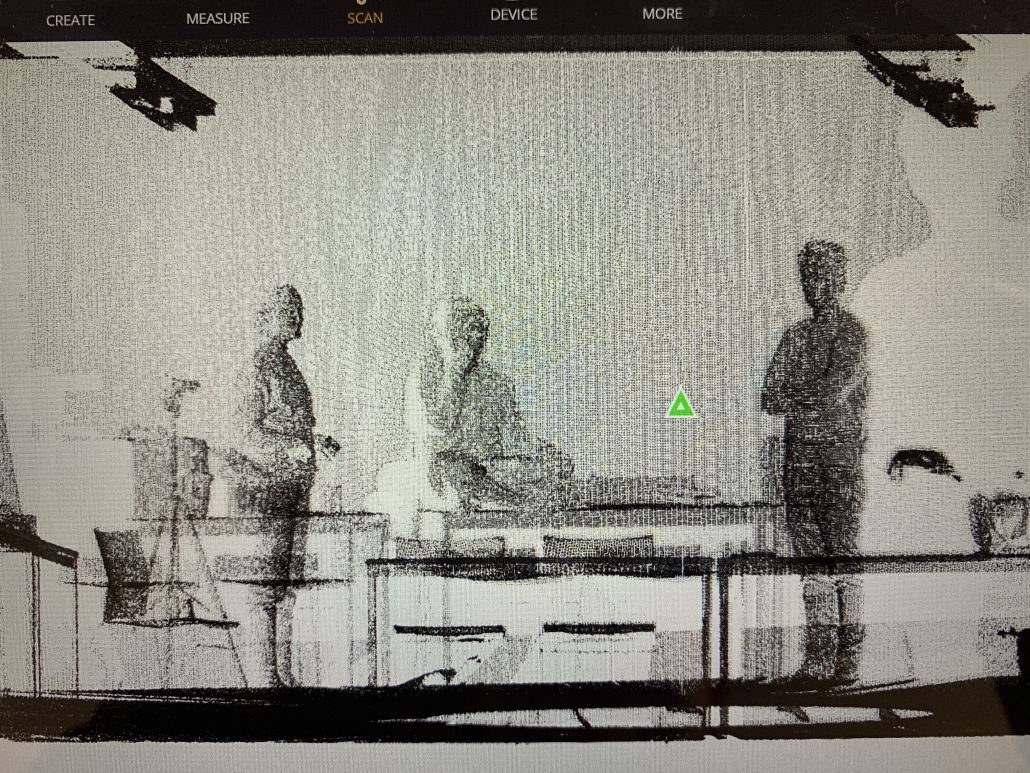
The first phase of experimentation focuses on the process of the two performers Laura Stoll and Marko Markovic with the technological infrastructure available. They selected to focus on the following technologies: Internet of Things components M5Stacks, the agile robot system Spot enhanced with the LiDAR technology, and Trimble x7 for 3D-scanning and point-cloud generation. DIGI-Sense Phase 1 starts by investigating individual and shared experiences of performers regarding their sensemaking while creating processes with the technological infrastructure in a ‘first confrontation’ as both performers do not usually enhance their artistic work with technological tools. This phase builds strongly on sensemaking theory and investigates its micro-processes through a focus on micro-performances, specifically looking at embodied and aesthetic aspects.

This first phase of experimentation will deliver the qualitative and visual data for the first step in the research project. The process of the performers takes place from March 2022 till end of May 2022.

Talks, Lectures, Academic Presentations

Brill, D., Schnugg, C. (2023): “Performing bodies as Change Poets – Liminality of performance practices in interdisciplinary research”, Taboo Transgression Transcendence Art in Science Conference, Malta, Valletta, 28 September 2023.

Brill, D., Schnugg, C., Stary, C., Rayzhekov, A. (2023): “Researching the body and movement through artistic performative installations for collaborative digital sensemaking”, XX. Conference on Culture and Computer Science, Lisbon, 28 September 2023.

Schnugg, C., Brill, D. (2023): “DIGI-Sense – how the body understands, feels and goes through processes of sensemaking with digital tools”, talk at NOVA Festival, Bucharest, 23 September 2023.

Brill, D. (2023): “Outcomes of the experiments in phase 2: Drawing Exercises”, Research Talk, Johannes Kepler University, Linz, 28 June 2023.

Schnugg, C., Brill, D., Stary, C. (2023): Towards Sensemaking in the Meshwork of Technology, Ecology and Society: Symbiosis of Aesthetics, Performance, and Digitalization, ISEA, Paris, 17 May 2023, watch here.

Brill, D., Stary, C. (2023): “DIGI-Sense & Organisational Learning 4.0”, Research Talk, Johannes Kepler University, Linz, 23 March 2023.

Brill, D., Schnugg, C. (2022): „DIGI-Sense: Insights research phase 1 and strategy phase 2 work with performance artists“, Research Talk, Johannes Kepler University, Linz, 1st December 2022.

Schnugg, C. (2022): „Digital Sensemaking: The Body and Digital Transformation“, LIT Lecture, Johannes Kepler University, Linz, Austria, hybrid event, 16th November 2022.

Brill, D., Schnugg, C. (2022): “Digital Sensemaking – an artscience exploration of performance into the aesthetics and embodiment of sensemaking in digitization and business informatics” presentation at FEMeeting, Évora, Portugal, 15th September 2022.

Brill, D., Schnugg, C., Stary, C. (2022): “Digital Sensemaking: Sensemaking as a Driver of Transformation.“ presentation at IFKAD, Lugano, Switzerland, 21st June 2022.

Brill, D. (2022): Charla proyecto DIGI-Sense, suratómica, Bogotá, Kolumbien, on-site talk, 4th April 2022. For more details visit suratómica.

Schnugg, C. (2022): Presentation of art-science collaborations by the example of the DIGI-SENSE project. subnet, 16th March 2022, Salzburg. Organizer: subnet.at

Schnugg, C. (2022): Lecture for the Xperimenter programme at Science Gallery Bengaluru, Introduction to Art-Science Collaboration and selected projects relating to “Psyche”: DIGI-Sense, Art the IES and Sparks, online, 28th February 2022.

Brill, D., Schnugg, C., Stary, C. (2022): Research Talk: Introduction to the DIGI-SENSE Project: Digital Sensemaking: Constructive Capacity Building for Co-Creative Transformative Change. Johannes Kepler University, Linz, 17th February 2022, online. For more details and registration please visit JKU page.

Other Presentations

Proyecto DIGI-Sense: Cómo el cuerpo entiende, percibe y le da sentido a procesos digitales”, suratomica Festival, Bogotá, Colombia, 8 November 2023.
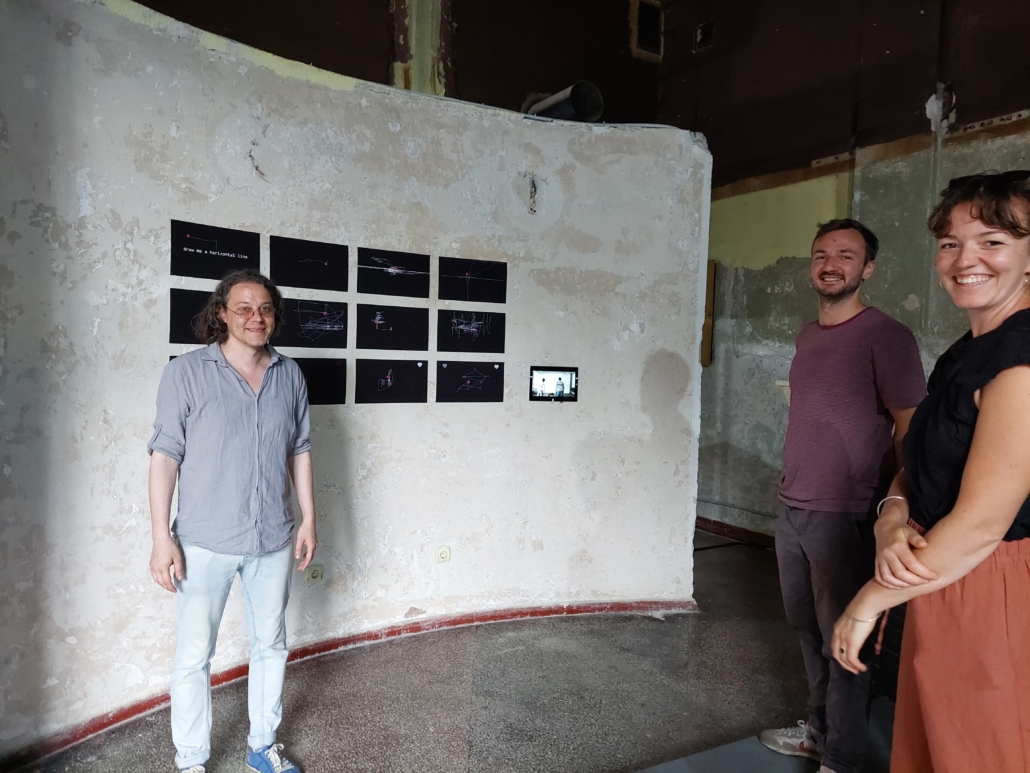
“DIGI-Sense: How the body understands, feels, and goes through processes of sensemaking with digital tools”, together with Daniela Brill, talk at NOVA Festival, Bucharest, Romania, 23 September 2023.

“Drawing Exercises” experiment and exhibition at NOVA Festival, Bucharest, 17-30 September 2023, Link to the Festival.

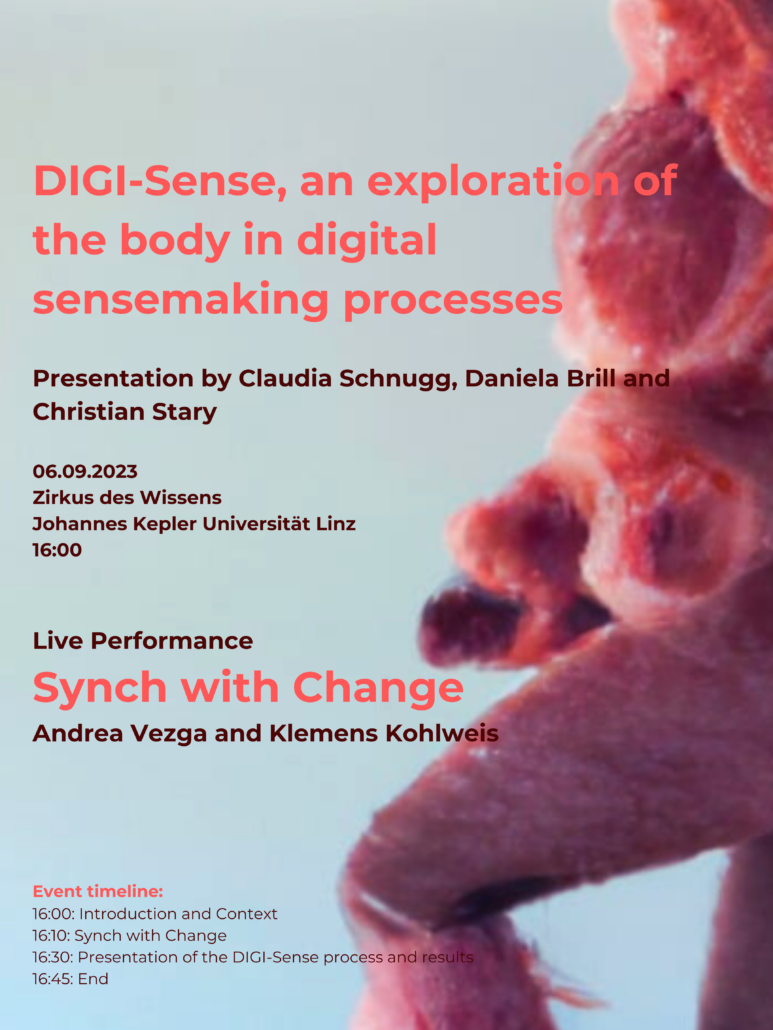
“Synch with Change” and presentation of the DIGI-Sense project as “DIGI-Sense: an exploration of the body in digital sensemaking processes” at Zirkus des Wissens, JKU, Linz, 6 September 2023. (Event invitation)

“The Distance Between Us Is Music” installation at “Intersecting Realities” exhibition in the framework of Cultural Capital Timisoara 2023, Timisoara 15 June – 2 July 2023.

“Drawing Exercises” video and documentation at “Intersecting Realities” exhibition in the framework of Cultural Capital Timisoara 2023, Timisoara 15 June – 2 July 2023.

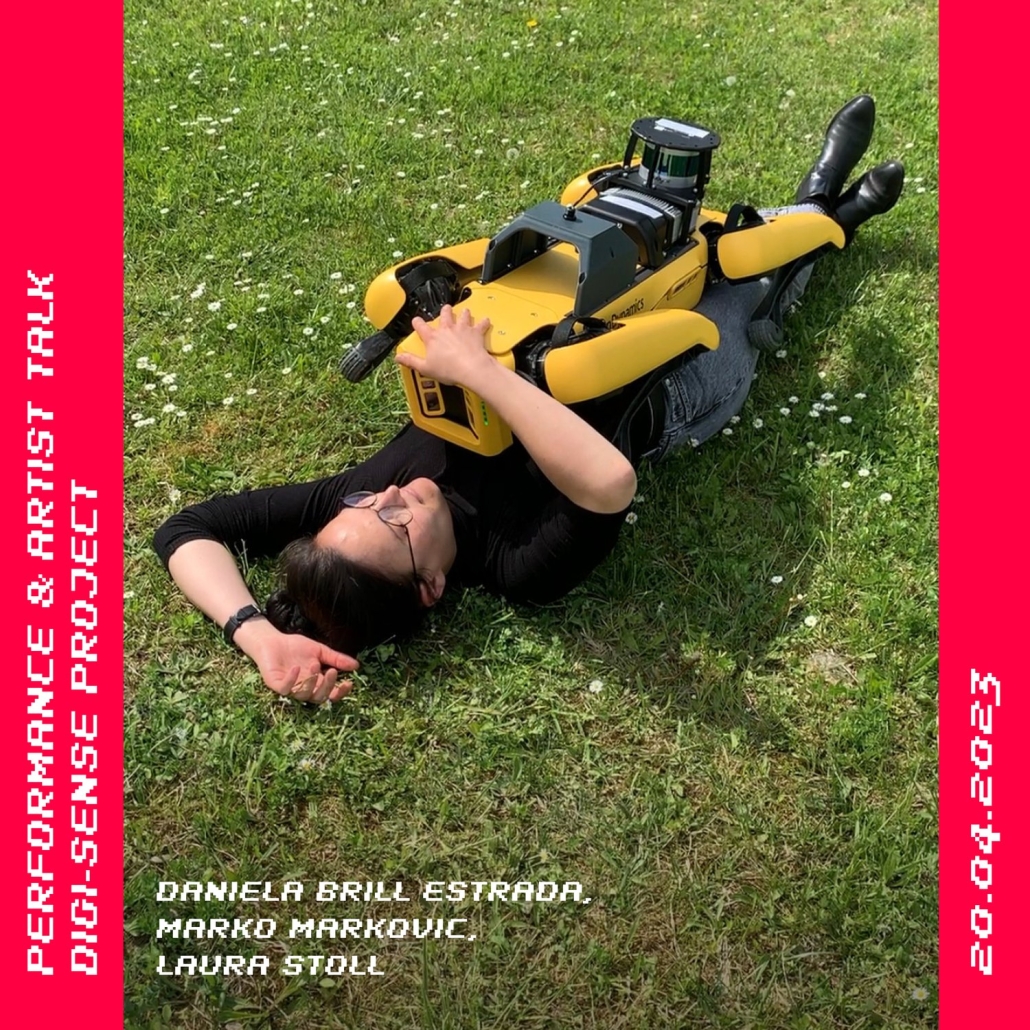
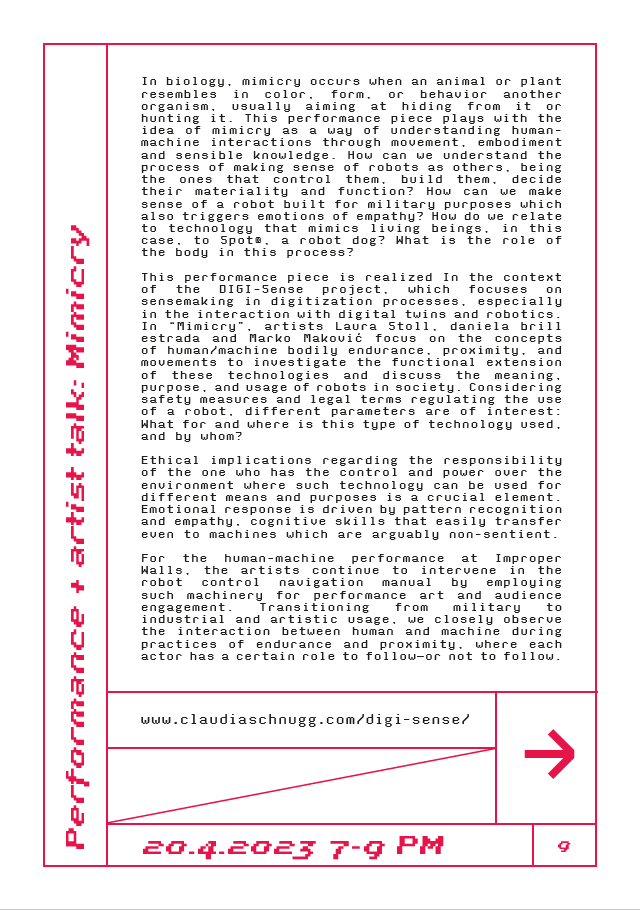
Mimicry” DIGI-Sense Phase 1 Performace, Laura Stoll, Marko Markovic, Daniela Brill Estrada, in the framework of the Autopoietic Encounters exhibition at Improper Walls Gallery, Vienna, 20 April 2023.

DIGI-Sense Phase 2 “Drawing Exercises” at Steinbeis Spring School at the Institute of Business Informatics – Communications Engineering, Johannes Kepler University, Linz, 15 February 2023.

DIGI-Sense at LABOR.A Digital 2022, Markt der Ideen, by Hans Böckler Stiftung, online since September 2022

Brill, D. (2022): DIGI-Sense presentation and workshop at Cultivamos Cultura Summer School, Sao Luis, Portugal, July 2022

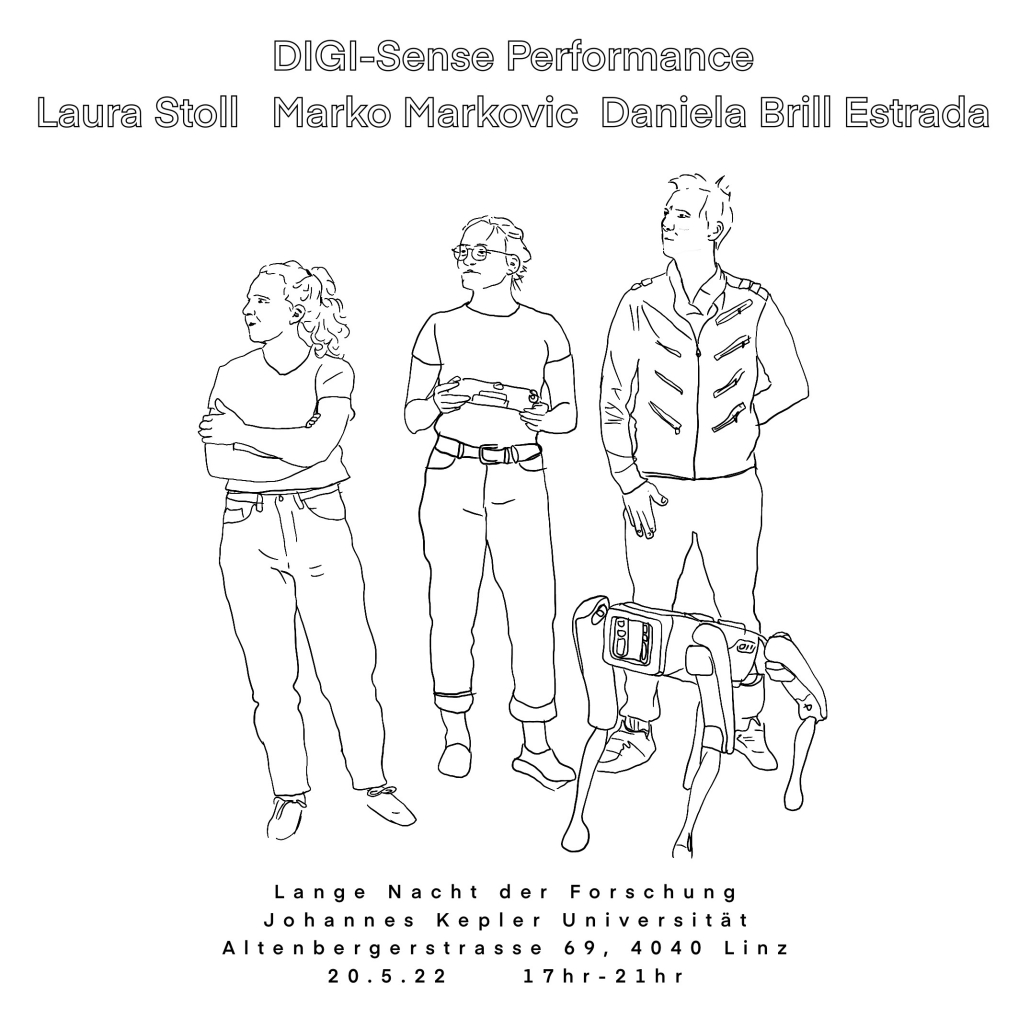
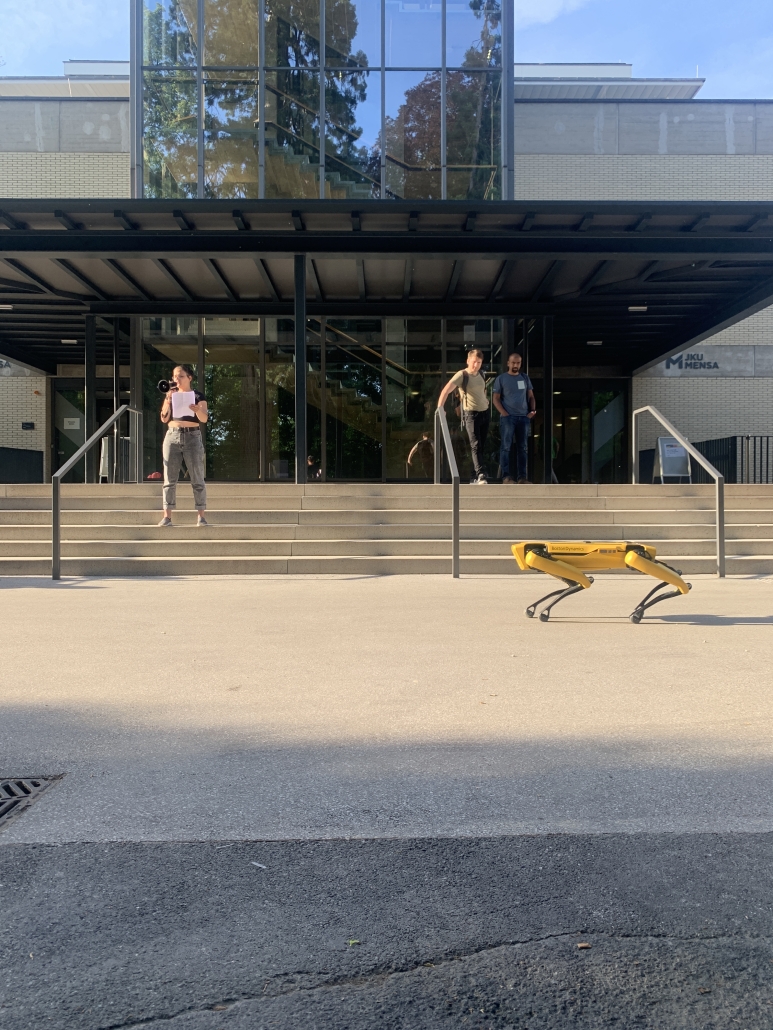
DIGI-Sense at Lange Nacht der Forschung, Guerilla Performances on the Campus of Johannes Kepler University, Linz, 20th May 2022

DIGI-Sense at Salz21, New Business Tage Zukunft am Fluss, Salzburg, 11th May 2022

DIGI-Sense Phase 1 artist-in-residence open artistic process with artists Laura Stoll and Marko Markovic and researcher Daniela Brill at Huggy Bears Performance Space, Vienna, 25 April – 1 May 2022

Brill, D. (2022): Taller DIGI-Sense, suratómica, Bogotá, Kolumbien, on-site talk/workshop, 6th April 2022. For more details and registration please visit suratómica.

Schnugg, Claudia A., Brill, Daniela, and Stary, Christian (2025): “Performing the Aesthetics of Sensemaking: Shedding light on the relevance of the body as a feminist approach to designing cyber-physical-systems”, in: Scott, J. (ed), Transdiscourse 3: Women in Art, Science and Body Politics, Berlin/Boston: Walter de Gruyter, pp. 165-181 (ISBN: 978-3-68924-141-4, PDF ISBN:978-3-68924-148-3)

Brill, Daniela, Schnugg, Claudia, and Stary, Christian (2024) “Collaborative construction of meaning: facilitating sensemaking moments through aesthetic knowledge generation” Knowledge Management Research & Practice, https://doi.org/10.1080/14778238.2024.2382828 (Link)

Brill, Daniela, Schnugg, Claudia, and Stary, Christian (2024) “The socio-aesthetic construction of meaning in digitally mediated environments: a digital sensemaking approach” AI & Society https://doi.org/10.1007/s00146-023-01842-7 (Link)

Brill, D., Schnugg, C., Stary, C., Rayzhekov, A. (2023): “Researching the body and movement through artistic performative installations for collaborative digital sensemaking”, In Proceedings of the XX. Conference on Culture and Computer Science, Lisbon, doi.org/10.1145/3623462.3624629..

Schnugg, C., Brill, D., and Stary, C. (2023) “Towards Sensemaking in the Meshwork of Technology, Ecology and Society: Symbiosis of Aesthetics, Performance and Digitalization”, Proceedings of International Symposium of Electronic Arts (ISEA), Paris 2023, DOI 10.69564/ISEA2023-84-full-Schnugg-et-al-Meshwork-of-Technology  web link.

Brill, D., Schnugg, C., and Stary, C. (2022) “Makes Digital Sensemaking Sense? – A Roadmap for Digital Humanism in Increasingly Transhumanist Settings”, New Explorations, Vol. 2(3): 86-109. Link (open access).

Brill, D., Schnugg, C., Stary, C. (2022) “Digital Sensemaking: Sensemaking as a Driver of Transformation”, Proceedings IFKAD’22 – Int. Forum on Knowledge Asset Dynamics, 20-22 June 2022, Lugano, Switzerland,  pp. 652-672. Link. This paper was awarded the MBE Best Paper Award at IFKAD 2022

© 2026 Claudia Schnugg